Henry M. Lemon Short Course in Cancer Biology
The 2026 course is scheduled for June 29-30 and will focus on Structural Molecular Biology in Cancer Research.
This annual course brings together leading scientists to address important topics in cancer research. The course will be held at the Fred & Pamela Buffett Cancer Center in the Gail and Mike Yanney Conference Center, BCC 0.12.101.
Course Information:
Course Overview
The short course will cover the full spectrum of DNA biology, from how cells survive and grow, to aging, advanced experimental methods, and new insights into correcting replication errors—the main source of cancer-causing mutations—and will conclude with lessons on the repair of DNA base damage and its role in cancer.
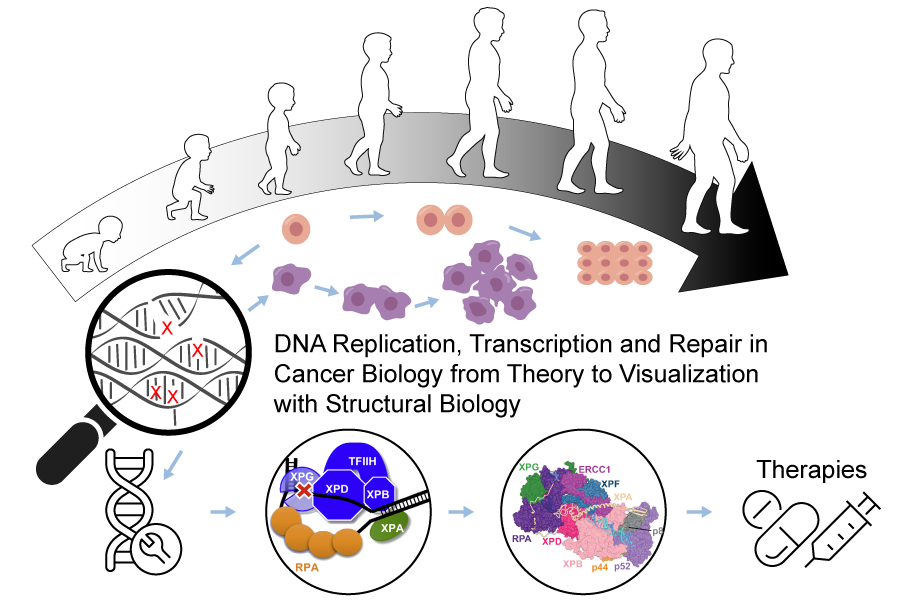
Day 1: DNA Damage Response and Cellular Lifespan
Learning objectives:
- Explore the DNA damage response (DDR) in the context of fundamental biology for replication and transcription, processes required for cell survival and proliferation.
- Describe how DDR repairs different types of DNA damage, from bulky damage to DNA breaks, to allow cells to survive while limiting genome instability.
- Connect double-strand DNA break repair to mitotic lifespan, with insights into aging and cellular lifespan.
Day 2: DNA Repair Assays and Cancer-Relevant Insights
Learning objectives:
- Examine specific assays to find new roles for mismatch repair (a DNA replication-associated repair) and nucleotide excision repair (repair of bulky lesions, a transcription-associated repair) and connect these findings back to Day One concept.
- Discuss nucleobase damage, the most common form of DNA damage, and understand the structural and mechanistic insights that link fundamental DNA biology and repair to cancer risk.
Video Guides to Structural Molecular Biology Methods
Featured Speakers
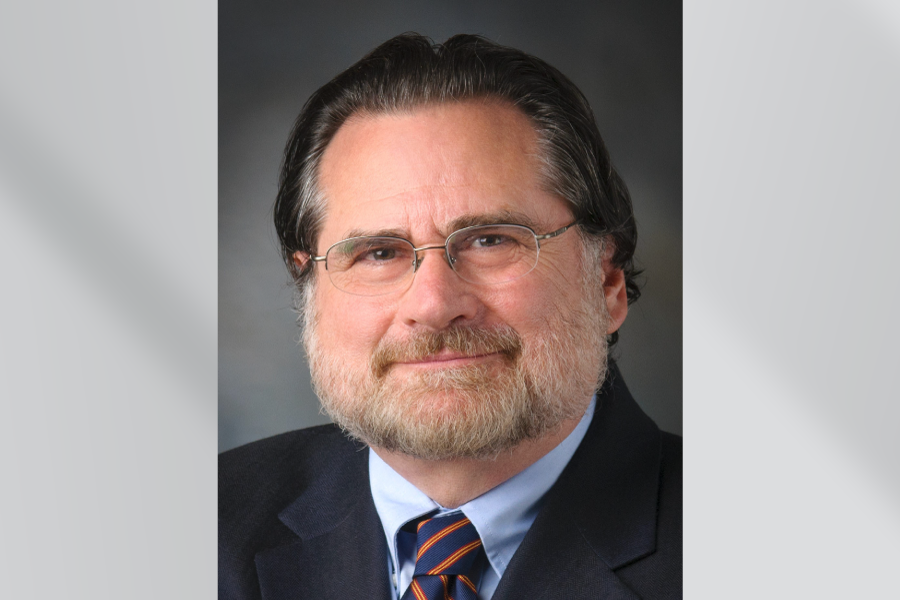
John A. Tainer, PhD
Director, Department of Structural Biology
Professor, Department of Molecular and Cellular Oncology
University of Texas MD Anderson Cancer Center
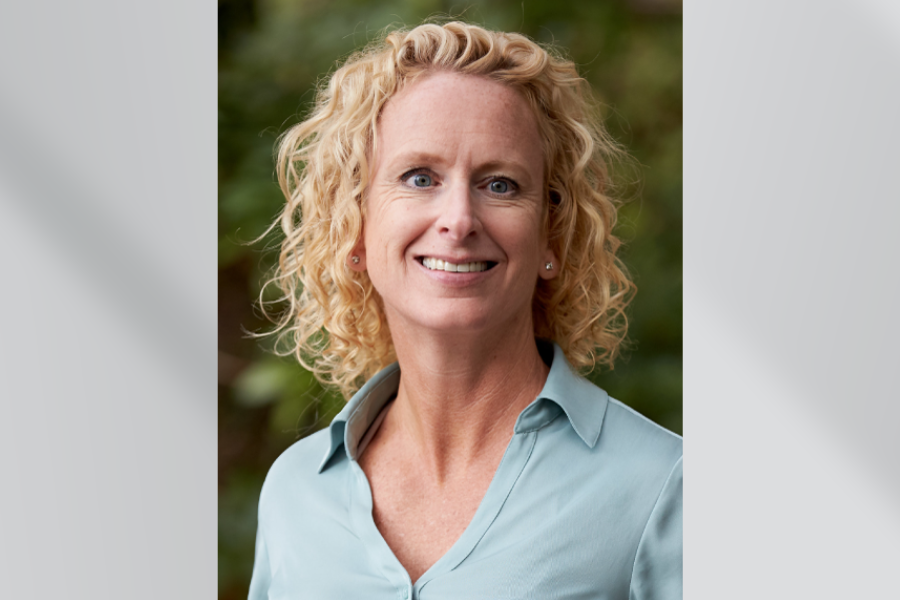
Jessica Tyler, PhD
Professor, Department of Pathology and Laboratory Medicine
Weill Cornell Medical College
Weill Cornell Medicine Graduate School of Medical Sciences
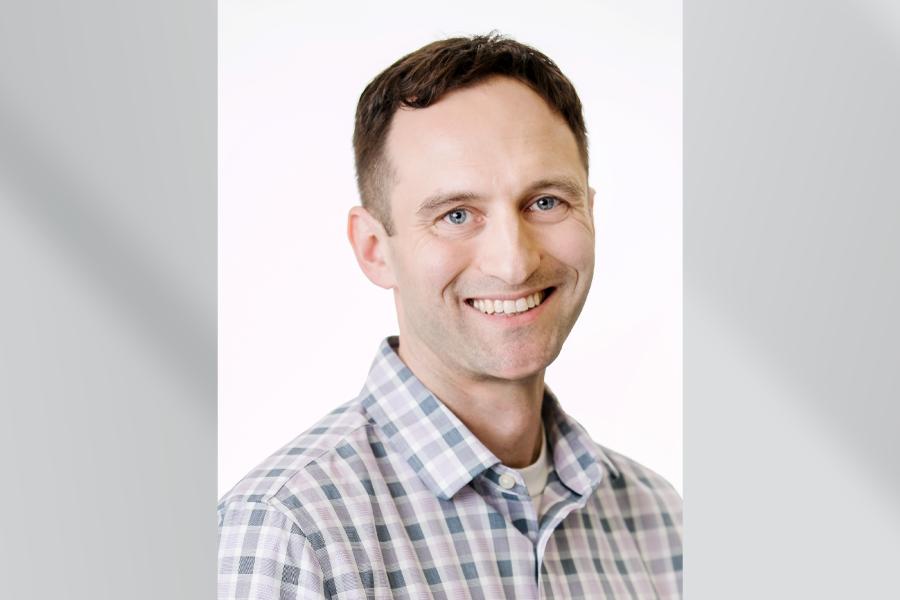
Zachary Nagel, PhD
Associate Professor of Genomics and Cancer Biology
Department of Environmental Health
Harvard T.H. Chan School of Public Health
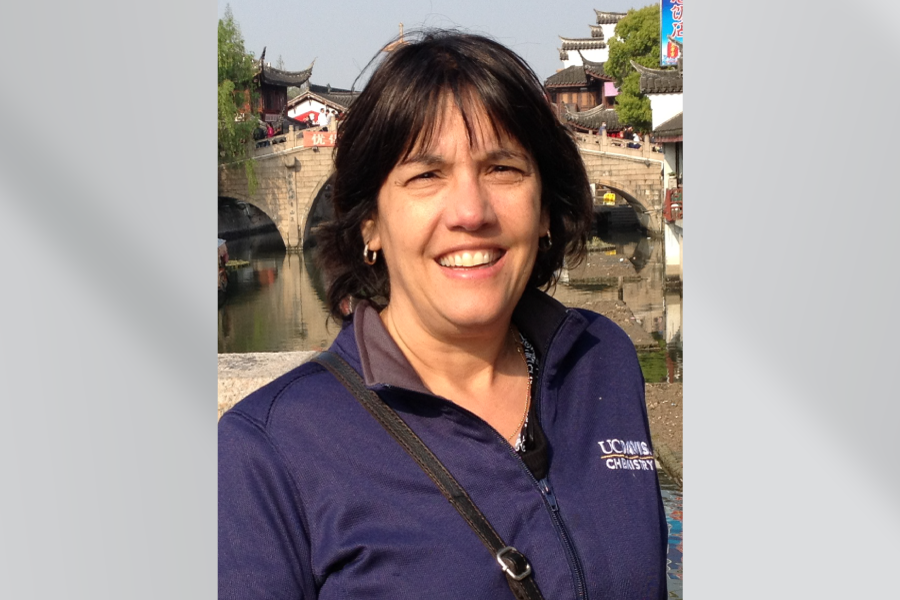
2026 Faculty Host
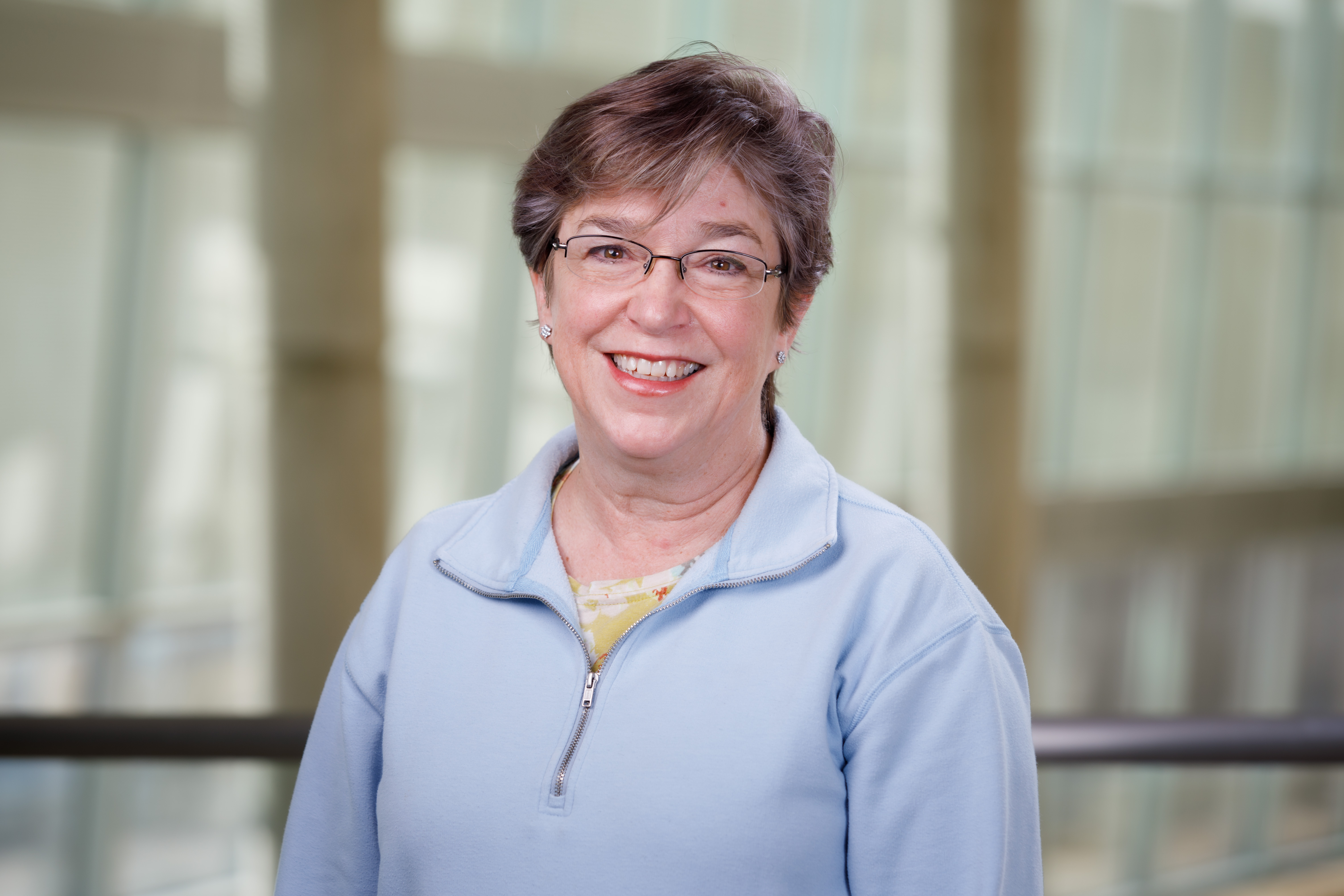
Gloria Borgstahl, PhD
Co-Director, Eppley Structural Biology Facility
Professor, UNMC Eppley Institute for Research in Cancer and Allied Diseases
Research Focus: Drug discovery in cancer and structural biology of DNA repair complexes
2026 Schedule
Registration Details
Registration is a two-part process:
Step 1: Fill out the online registration form using registration link.
Step 2: Click on the confirmation link in the email you receive after filling out the online form.
If you are a student at the Eppley Institute, you will need to register for CRGP 940 to get course credit.
Speakers Biography
Contact
For questions, contact:
Yvonne Rodriguez
Cancer Research Education & Training Program Associate
Email: yvrodriguez@unmc.edu