Bioregulation Research
The purpose of the College of Dentistry's bioregulation research is to understand and manipulate the immune system, inflammation and bone physiology to lead to more effective treatment of numerous conditions, including infectious diseases, chronic viral infection, chronic inflammatory diseases (arthritis, endodontic infection, and periodontitis), autoimmune diseases (multiple sclerosis and insulin-dependent diabetes), metabolic bone diseases (osteoporosis), abnormal craniofacial development and cancer.
Cell surface receptors linked to cytosolic cell signaling systems activate transcription factors for expression of secreted cytokines of immune, inflammatory and bone cells in order to regulate the immune system, inflammation, bone-turnover and tissue repair.
To understand cytokine secretion important for regulation of biological processes, the bioregulation research group examines receptors, cell signaling pathways, genes, promoter sequences, and associated transcription factors. The research group is also involved in discovery of novel compounds that are natural or synthetic that antagonize or agonize these pathways and, thus, more predictably could be used to improve inflammatory, immune and bone responses.
Research Topics
The Bioregulation Research Group has several priority research areas.
- Beneficial bone remodeling caused by controlled tooth movement (orthodontics).
- Alveolar bone resorption (periodontitis), dental pulp necrosis (endodontics) and neurological dysfunction (multiple sclerosis) brought about by chronic inflammation, dysfunctional immune responses or exhausted immune responses during persistent bacterial, fungal or viral infections.
- Immune modulating virulence factors produced by microbes that could cause chronic inflammation, persistent infection, and excessive bone resorption. These factors include lipopolysaccharide and other pathogen-associated molecules derived from bacteria; farnesol, a virulence factor derived from the fungus Candida albicans; and L- and L* protein produced by the Cardioviruses.
- Induction of cytokines during the innate immune response to persistent viruses, such as Multiple Sclerosis, using as a model for persistent viral infections, the innate immune response to the Theiler's Murine Encephalomyelitis Virus.
- Cytokine expression, particularly the influence of bacterial virulence factors, estrogen levels, and new pharmaceutical candidates. Long-term goals include defining gene signaling factors which could be manipulated to direct cytokine production to yield net bone formation. Stem cell lines from individuals could be developed to reseed periodontal defects and stimulate bone regeneration.
- Regulation of cytokine production, with a focus on elucidation of cytokine induction pathways and discovery of counter-measures that control cytokine expression.
- Experimental bone turnover, studying the sequence of inflammatory cell cytokine production and immunoregulation following tooth movement, bacterial insult, or wounding, with a goal of identifying protocols where local or systemic drug interventions would be most effective.
- Chronic inflammation with a focus on cytokine/inflammatory mediator profiles and mechanisms of production in gingival exudate and exudate from specific microenvironments, and in cell extraction/culture. Anti-inflammatory therapy, inhibition of host-derived tissue-destructive matrix metalloproteinases and local delivery of antibiotics also are being studied.
Research Team
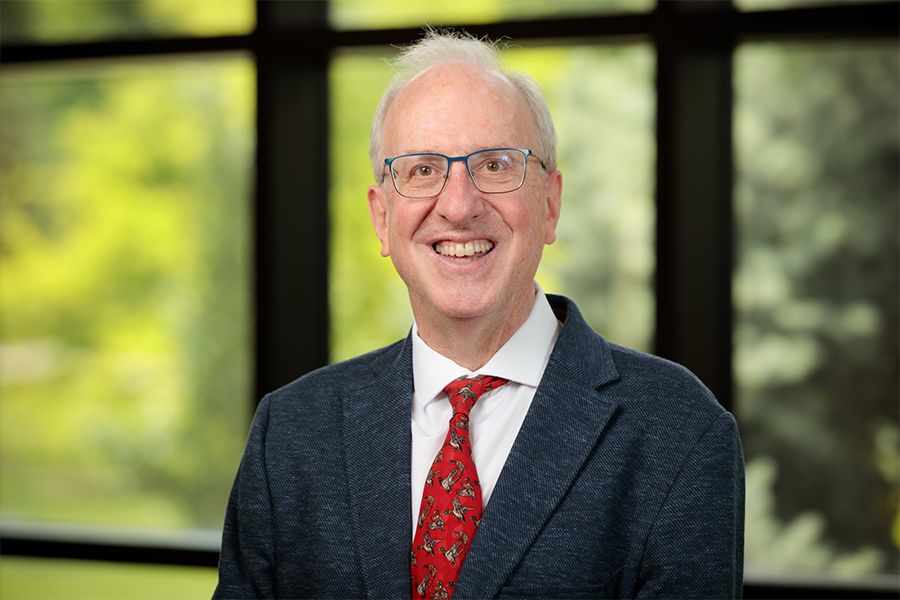
Jeffrey B. Payne, DDS, MDentSc
F. Gene and Rosemary Dixon Endowed Chair in Dentistry
Professor, UNMC College of Dentistry Department of Surgical Specialties Division of Periodontics
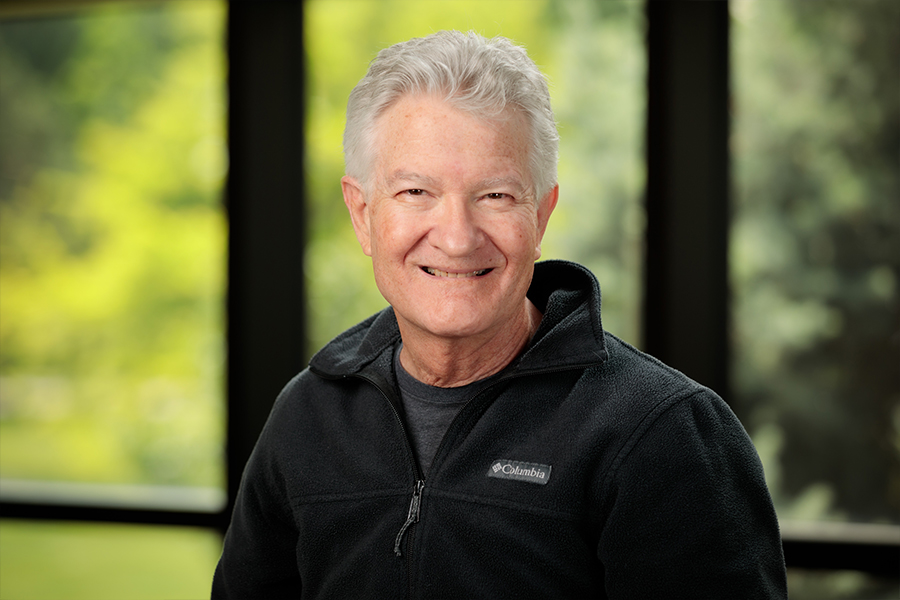
Richard A. Reinhardt, DDS, PhD
Professor, UNMC College of Dentistry Department of Surgical Specialties Division of Periodontics
Student Involvement
UNMC College of Dentistry students are involved in bioregulation research projects through the Ameritas Nebraska Dental Student Research Group.
Collaborations
- University of Texas Health Science Center, San Antonio Dental School
- University of Nebraska-Lincoln School of Biological Sciences
- UNMC Eppley Institute and Lied Transplant Center
- The State University of New York - Stony Brook, School of Dental Medicine
- University of Florida College of Dentistry
- Nebraska Center for Virology
- University of Oklahoma Health Sciences Center College of Public Health
- UNMC College of Medicine
- University of Helsinki Institute of Dentistry