Support for Smoking Cessation
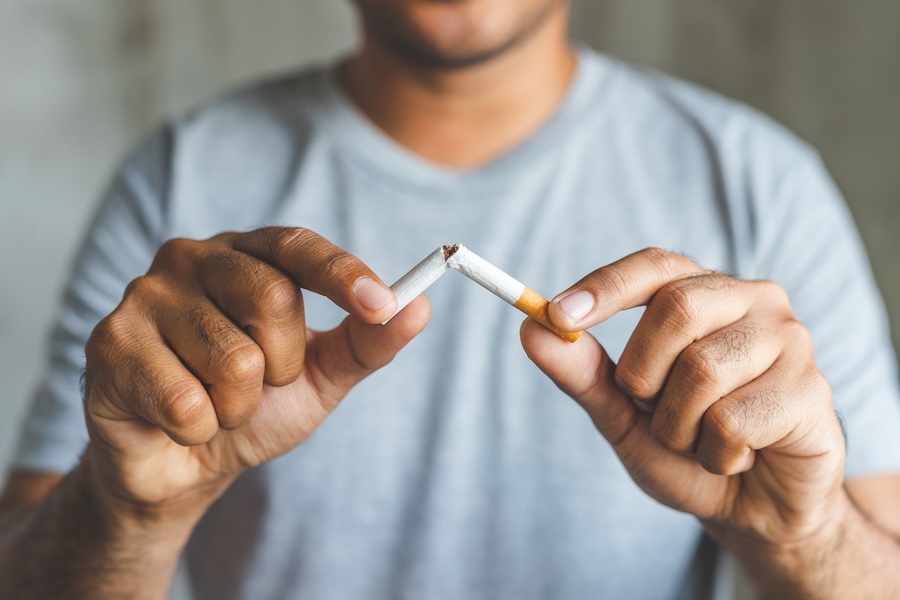
Tobacco use is the leading preventable cause of cancer and cancer-related death. According to the National Cancer Institute (NCI), cigarette smoking is responsible for about 30% of all cancer deaths in the United States. Tobacco products contain more than 7,000 chemicals, including at least 70 known carcinogens.
Cancers linked to tobacco use:
Tobacco use increases the risk of many cancers, including:
- Lung cancer
- Oral cavity (mouth), throat, and larynx cancers
- Esophageal cancer
- Bladder cancer
- Pancreatic cancer
- Kidney cancer
- Cervical cancer
- Colorectal cancer
- Liver cancer
Smoking causes approximately 80–90% of lung cancer deaths, based on data from the American Cancer Society.
How tobacco use can cause cancer
- DNA damage: Chemicals in tobacco smoke damage DNA, leading to mutations.
- Chronic inflammation: Long-term inflammation creates an environment where cancer can develop.
- Immune system suppression: Tobacco weakens the body’s ability to fight abnormal cells.
- Direct exposure to carcinogens: Smoke directly exposes tissues to harmful cancer-causing chemicals.
All forms of tobacco carry cancer risk. There is no safe form of tobacco.
- Cigarettes
- Cigars and pipes
- Smokeless tobacco (chew, snuff)
- Hookah
- E-cigarettes/vaping (long-term cancer risks are still being studied, but harmful chemicals are present)
Exposure to secondhand smoke can cause:
- Lung cancer
- Heart disease
- Respiratory illness
The Centers for Disease Control and Prevention states there is no safe level of exposure.

Lung cancer screening: An important option
If you currently smoke or used to smoke, lung cancer screening can save lives.
- Screening uses a low-dose CT scan to detect lung cancer early
- It is recommended for adults at higher risk based on age and smoking history. Learn more about lung cancer screening.
- Early detection can significantly improve treatment outcomes and survival.
Quitting tobacco
Quitting provides both immediate and long-term benefits:
- Improved circulation and lung function
- Reduced carbon monoxide levels
- Lower risk of heart disease and stroke
- Decreased risk of multiple cancers
- After about 10 years, lung cancer risk can be about half that of someone who continues to smoke (American Cancer Society).
- Reduces cancer risk at any age
- Improves outcomes if cancer is diagnosed
- Enhances overall health and quality of life
Practical steps to quit:
- Set a quit date
- Identify triggers and plan alternatives
- Use nicotine replacement therapy if appropriate
- Talk to your healthcare provider about medications
- Seek counseling or structured support
Tobacco cessation support
You don’t have to quit alone—support significantly improves success rates.
Local and national resources:
- Nebraska Medicine Smoking Cessation Services - Smoking Cessation | Nebraska Medicine Omaha, NE
- Nebraska Department of Health and Human Services Tobacco Quitline - I Want to Quit Tobacco
- Free coaching, quit plans, and support
- Phone, text, and online options available
- National Quitline: 1-800-QUIT-NOW
These programs provide evidence-based counseling and support, which are proven to increase quit success.
Want help quitting?
Talk to your provider or connect with a cessation program today. Quitting is one of the most important steps you can take to reduce your cancer risk.