Community Engagement in Clinical Research
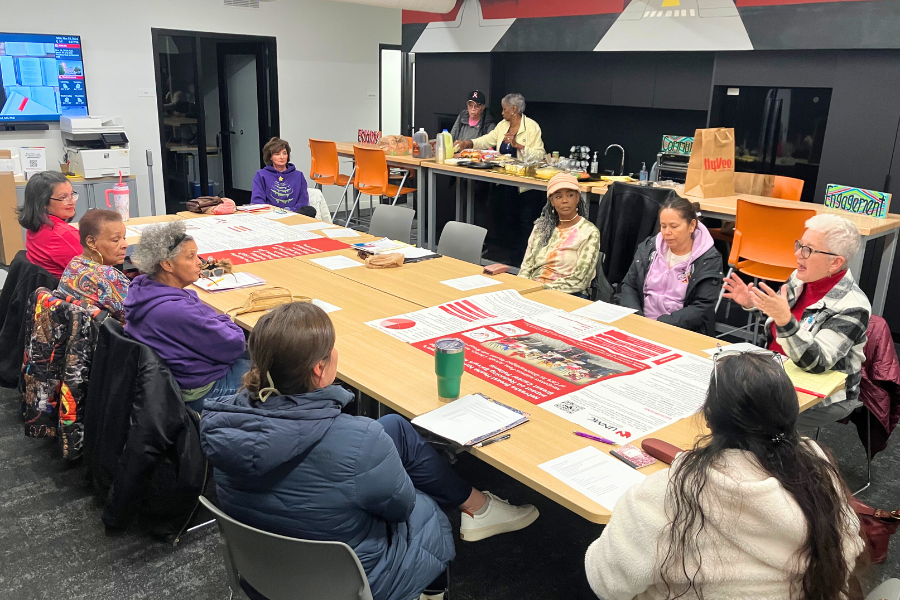
Community members play an important role in supporting clinical trials and research. Their voices, experiences, and perspectives help make research more meaningful and effective.
The Office of Community Outreach and Engagement (COE) work very closely with the community, and community members, especially those from groups with higher cancer rates or other health risks, to make sure community perspectives are heard and addressed.
The COE Office supports bi-directional partnerships where research is informed by community needs, and the community benefits from access to information, resources, and opportunities to share clinical research studies.
Get Involved
Cancer patients, cancer survivors, caregivers, and community organization representatives can contribute their insights to help shape and support ongoing cancer research.
Flexible participation for community members:
- Community members can decide how much time they would like to commit.
- The amount of involvement can vary depending on the research or project.
- Clinical Trial Community Scientists receive training in research ethics and responsible conduct.
- They are compensated for their participation in select research projects.
For any questions or to learn more about how to get involved, please contact Melissa Baron, Clinical Integration Coordinator at the Fred & Pamela Buffett Cancer Center Office of Community Outreach and Engagement.
Contact details:
- Phone: 402.559.5639
- Email: mbaron@unmc.edu
Involvement can vary from participating in a focus group to provide feedback, sharing thoughts and opinions on the cancer center programs, or sharing what matters most to patients and their families.
The Clinical Trial Community Scientist program is a way community members can get involved. Clinical Trial Community Scientists are engaged in various stages of research, including:
- Give feedback and share insights on research protocols and study design.
- Provide feedback on recruitment strategies and materials for clinical trials to ensure they are clear, culturally appropriate, and easy to understand.
- Offer letters of support and other advocacy for research studies.
Some groups have historically had fewer opportunities to take part in clinical trials. Women and people from racial and ethnic minority communities are underrepresented, but this is changing as researchers and community members work together.
By addressing barriers such as cost, transportation, and access to information, and by building trust through strong communication, communities can play a key role in shaping clinical trials.
- Serve as advocates for cancer care and increase representation in clinical trials.
- Educate communities on clinical trials to help them make informed decisions.
- Join outreach events that share information about clinical trials.
- Join the Fred & Pamela Buffett Cancer Center Clinical Trial Community Scientist program.
Community Scientists Program
Community Scientists are trained individuals who partner with research faculty and staff, serving as a bridge between community members and researchers. Learn more about the Community Scientists Program.