Health and Screening Information
Understanding the importance of cancer screening and prevention is the first step in protecting your health.
Regular screenings can find cancer early, before symptoms appear or before they spread. Treatment works best when cancers are caught early, offering more options and a higher chance of being cured.
Along with screenings, it is important that you understand how to reduce your cancer risk. About 40% of cancers that are linked to lifestyle and environmental factors can be prevented.
Knowing your personal and family medical history, following recommended screenings, and making healthy lifestyle choices are some of the preventive steps you can take to lower your cancer risk.
The most important step you can take is to get screened regularly.
Screening, Risk Management and Awareness
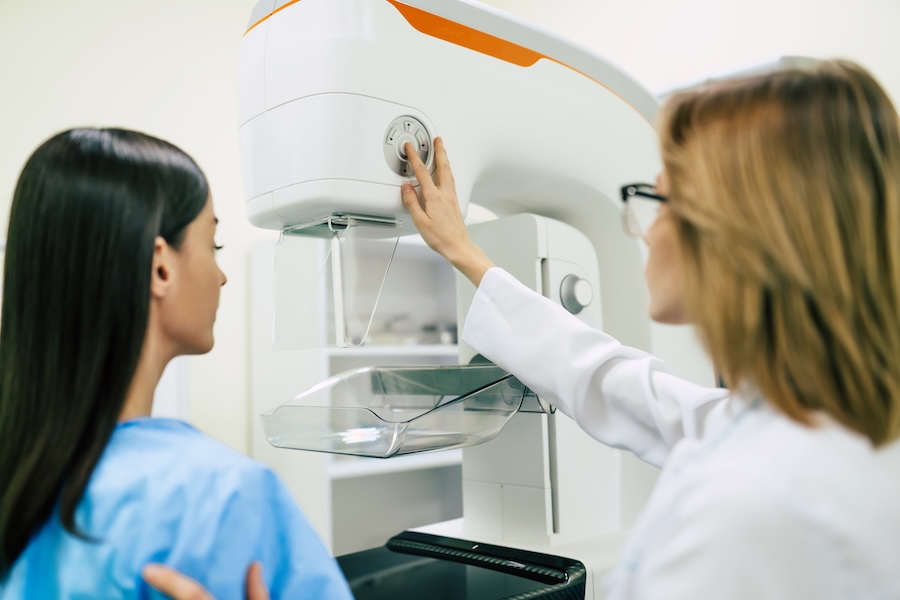
Cancer Screenings
Learn about screening recommendations based on your age, sex, health and family history, and risk factors.

Manage Your Risks
Learn how healthy lifestyle choices, understanding your personal risk, and preventive steps you can take can help lower your cancer risk.
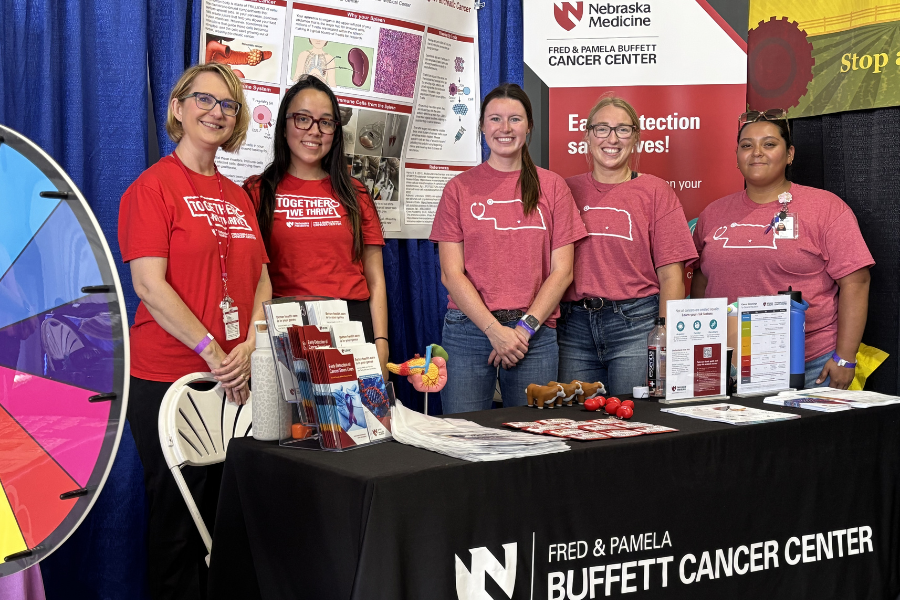
Cancer Awareness and Education
Knowing the signs of different cancers can help you get treated early. This section covers select cancer types and survivorship care to guide timely action.
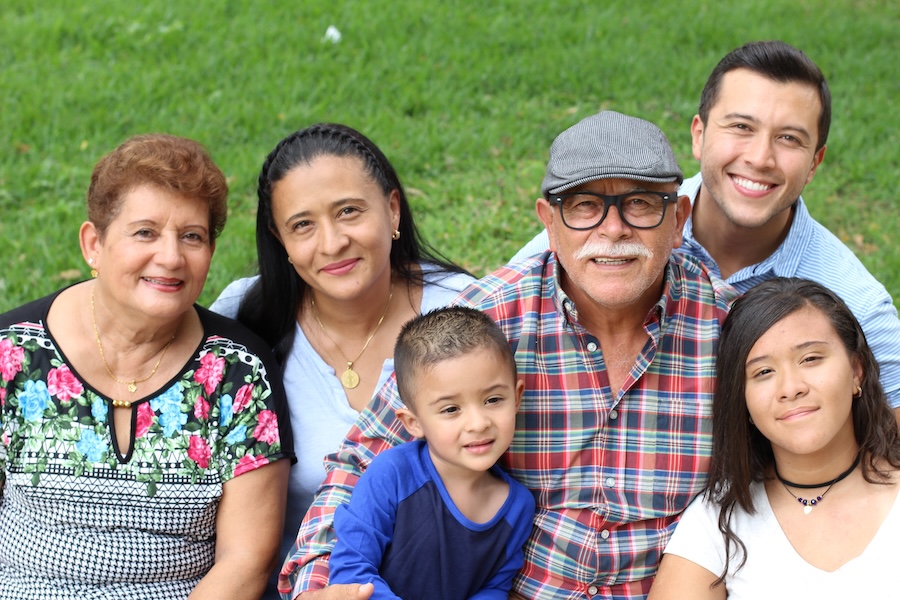
Family History
Knowing your family’s health history can help you take steps to reduce your risk of cancer. The Hereditary Cancer Clinic helps people and their families understand their personal and family history of cancer.
Events
The Fred & Pamela Buffett Cancer Center, the only National Cancer Institute (NCI)-designated cancer center in Nebraska, hosts and conducts extensive cancer screening and education events across the state. Learn more about upcoming cancer screening events.