Building a Healthier NE: Preventing Cancer

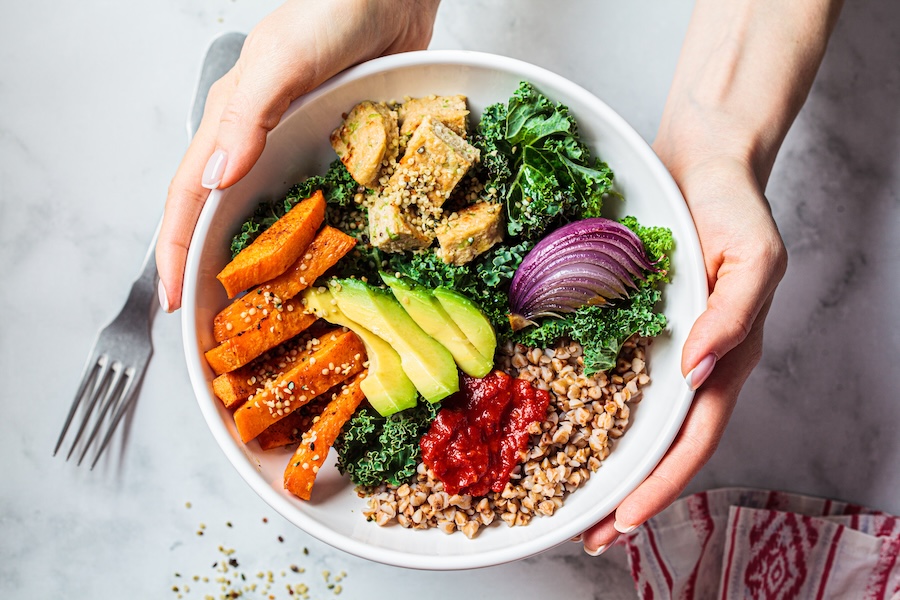
Healthy Diet and Nutrition
Healthy eating plays an important role in cancer prevention. Choosing a diet rich in fruits, vegetables, whole grains, and lean proteins may help lower your risk of cancer. Learn more about diet and cancer risk.
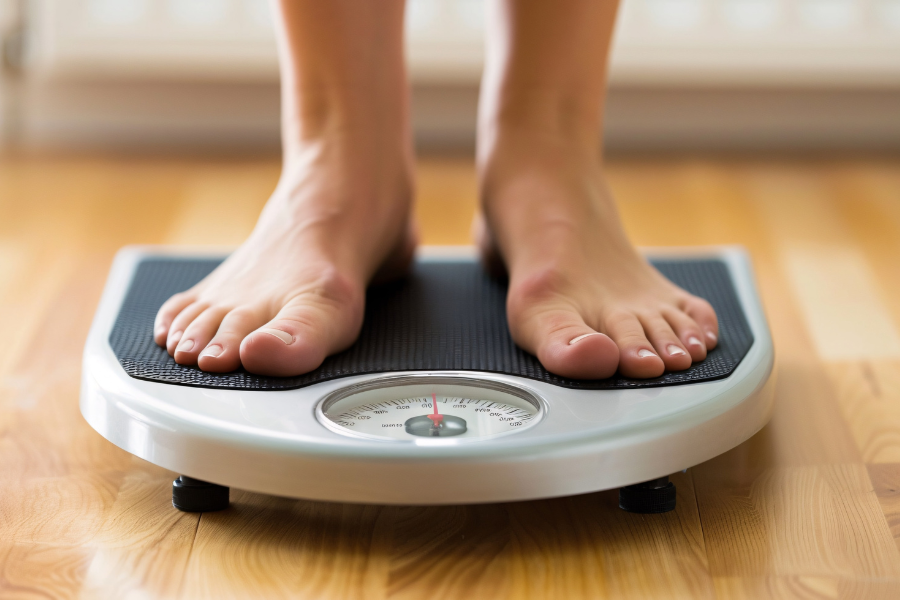
Exercise and Weight Management
Maintaining a healthy weight is an important step in cancer prevention. Regular physical activity and balanced nutrition can help reduce your risk and support overall health. Learn more about obesity and cancer risk.
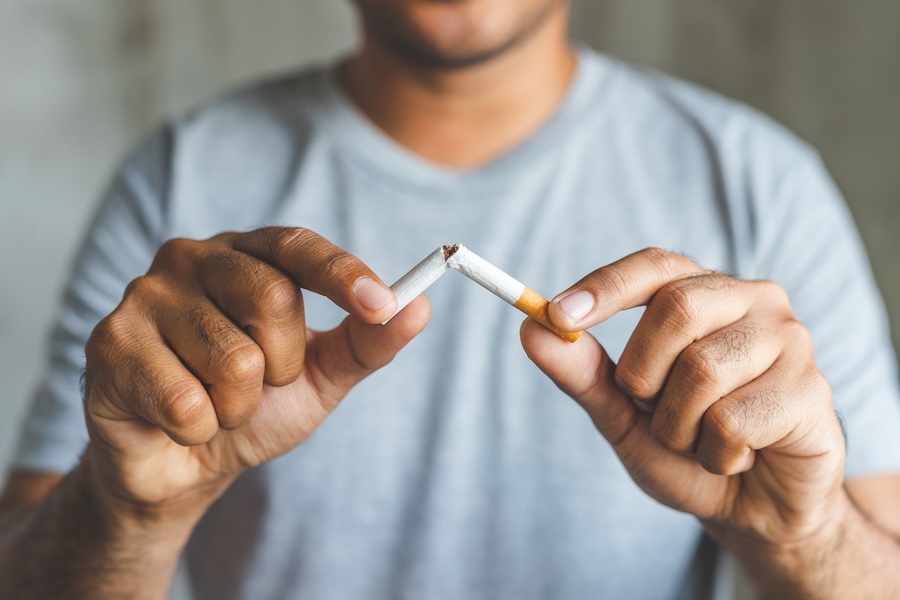
Support for Smoking Cessation
Avoiding tobacco is one of the most effective ways to prevent cancer. Quitting smoking or never starting can significantly reduce your risk for many cancer types. Learn more about tobacco and cancer risk.

Alcohol Use
Limiting alcohol intake can help lower your risk of cancer. Making mindful choices about alcohol is an important part of cancer prevention. Learn more about alcohol use and cancer risk.
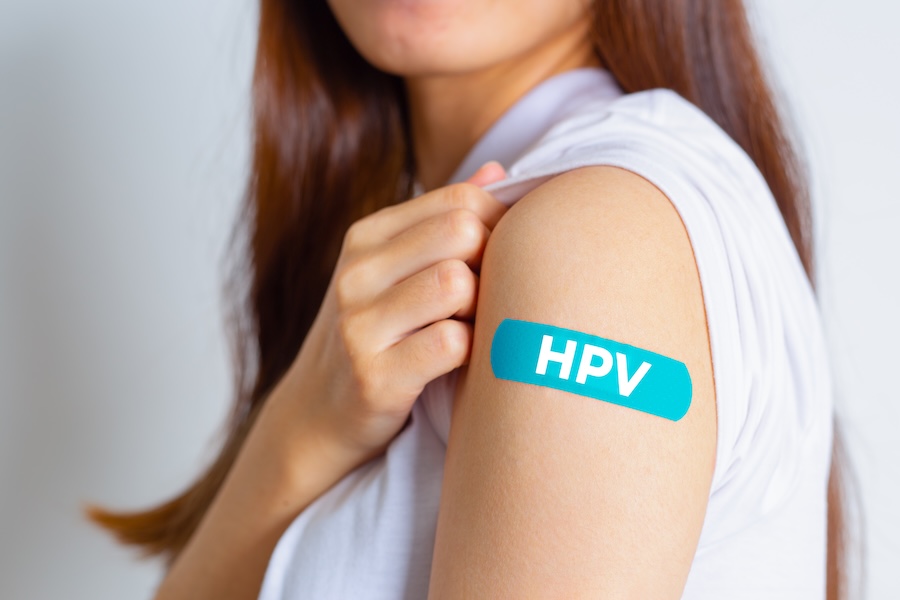
HPV Vaccination
HPV vaccination helps prevent infections that are linked to several types of cancer. Getting vaccinated is a proactive step in protecting long-term health. Learn more about HPV vaccination and cancer prevention.
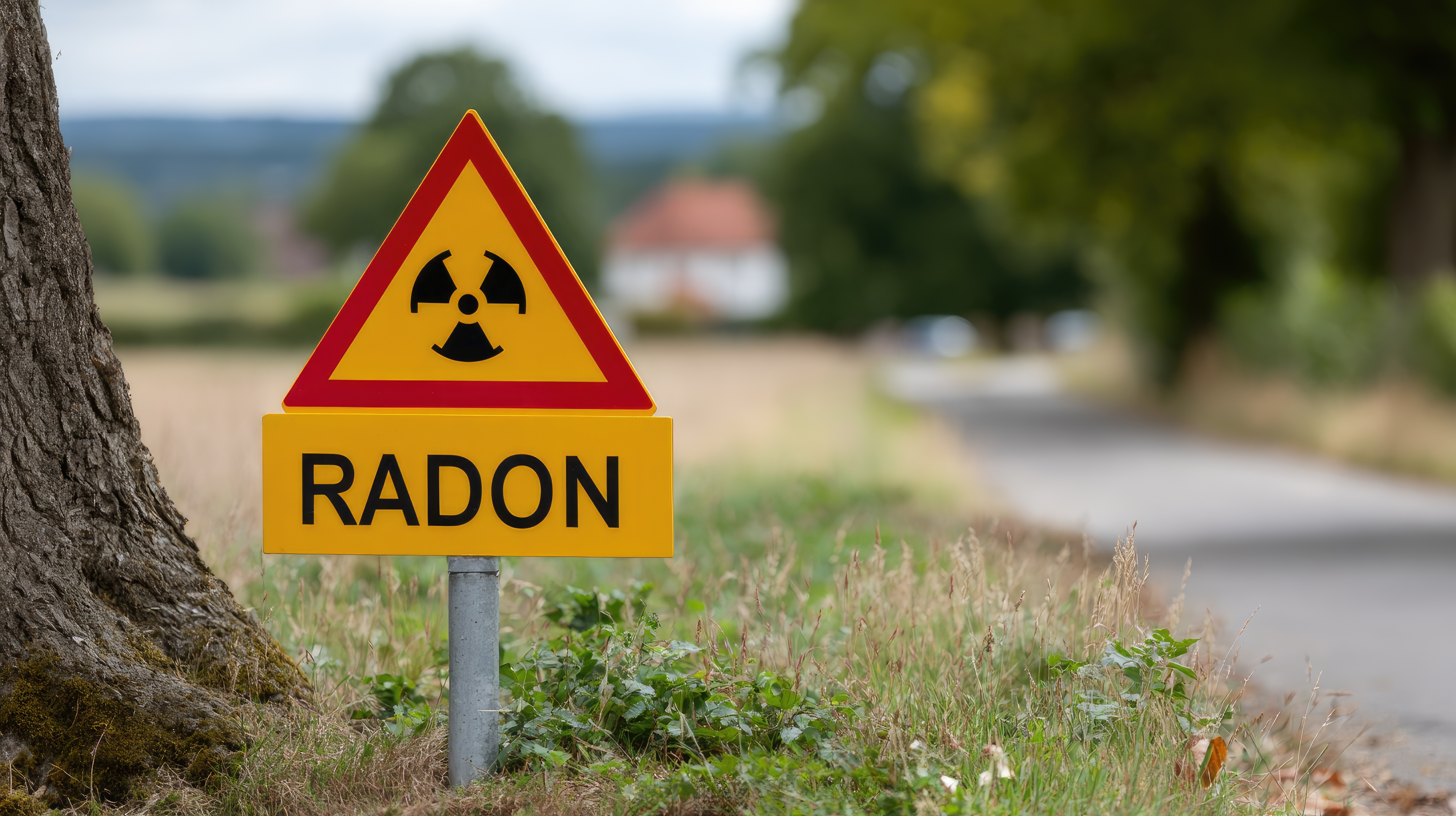
Safer Environments in Nebraska
Environmental exposure may increase the risk of developing cancer. Understanding and reducing these exposures, where possible, is an important part of cancer prevention. Learn more about environmental exposures and how to monitor them.
Genetics and Cancer Risk
Knowing your family's health history can help healthcare providers identify patterns that may indicate an increased risk of cancer. This information can be used to create a personalized prevention and screening plan based on your individual risk. Learn more about genetics and cancer risk.