Education
The Courage to Teach
To thrive in Emergency Medicine requires courage, confidence, and resilience. The Courage to Teach defines our department's culture and reflects our commitment to inspiring learning, fostering internal motivation, and supporting individualized growth across every stage of medical education.Our mission is to prepare physicians to care for any patient, anywhere, and anytime. For more than two decades, the University of Nebraska Medical Center Department of Emergency Medicine has built nationally recognized programs grounded in competence, compassion, innovation, and service. Through our residency, fellowships, undergraduate medical education programs, and continuing professional development efforts, we train learners to become adaptable physicians, educators, leaders, and scholars equipped to meet the evolving needs of patients and communities.
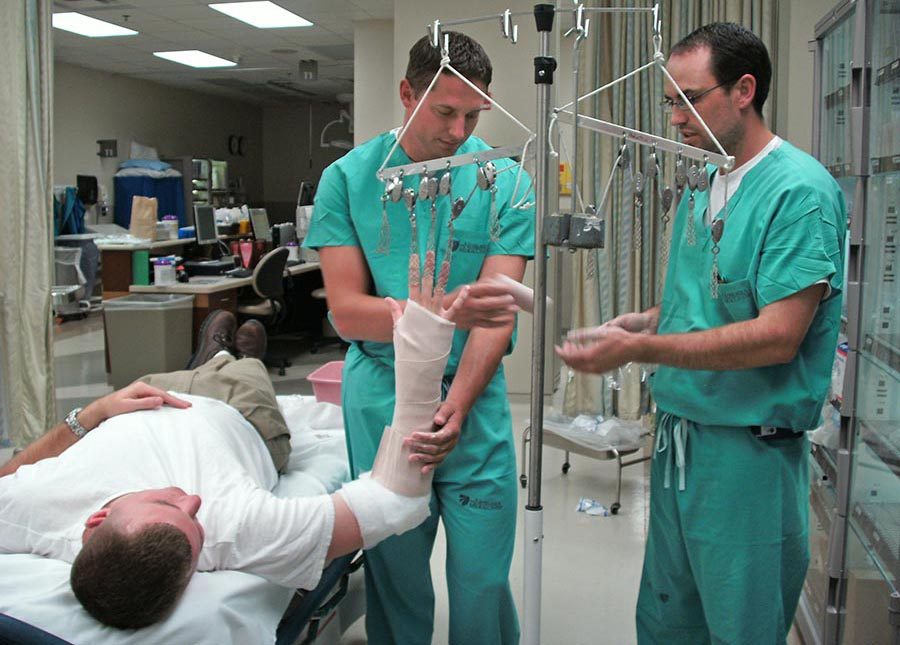
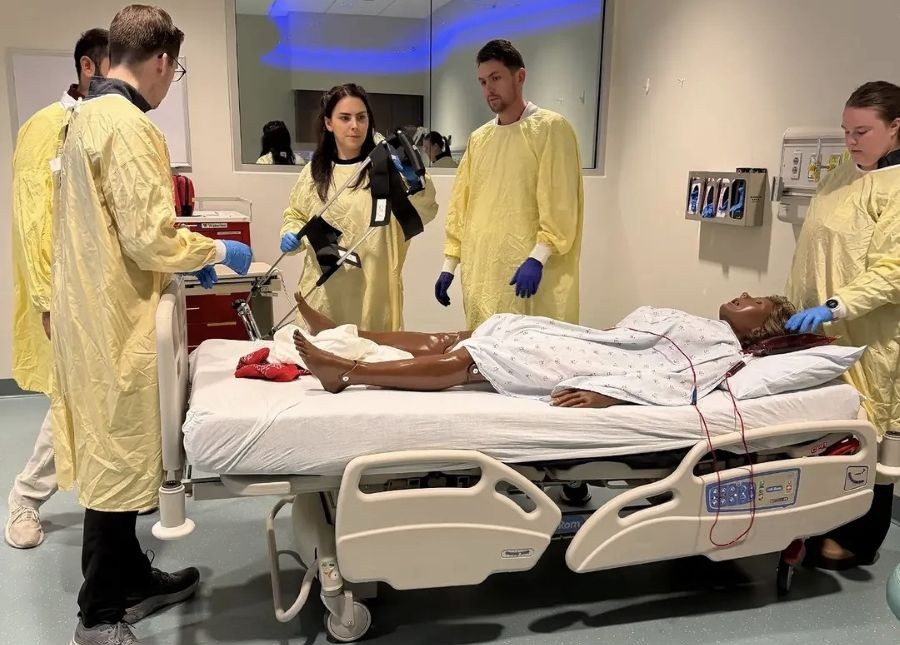
Our Emergency Medicine Residency provides a comprehensive foundation for lifelong learning through experienced faculty mentorship, a robust didactic curriculum, individualized learning plans, coaching, procedural instruction, and immersive simulation training. While we utilize traditional classroom education and simulation laboratories, the majority of our teaching occurs at the bedside, where learners develop clinical judgment and technical skills through direct patient care. Since its inception, the program has emphasized training across academic medical centers, community hospitals, and rural, resource-limited environments, ensuring graduates are prepared to practice in any setting.
Within the College of Medicine, our faculty lead key curricular pillars including Point-of-Care Ultrasound (POCUS), Physical Diagnosis, and Health Systems Science. Our highly regarded longitudinal POCUS curriculum, one of only a few of its kind in the United States, introduces hands-on ultrasound training during anatomy and physiology instruction and continues through clinical application in the third and fourth years of medical school. The Acute Care Physical Diagnosis curriculum prepares students for clerkships through focused training in patient assessment, diagnostic reasoning, procedural skills, and timely interventions. Complementing these experiences, the Health Systems Science curriculum develops competencies in quality improvement, patient safety, population health, healthcare delivery systems, and leadership, preparing learners for the challenges of modern medical practice.
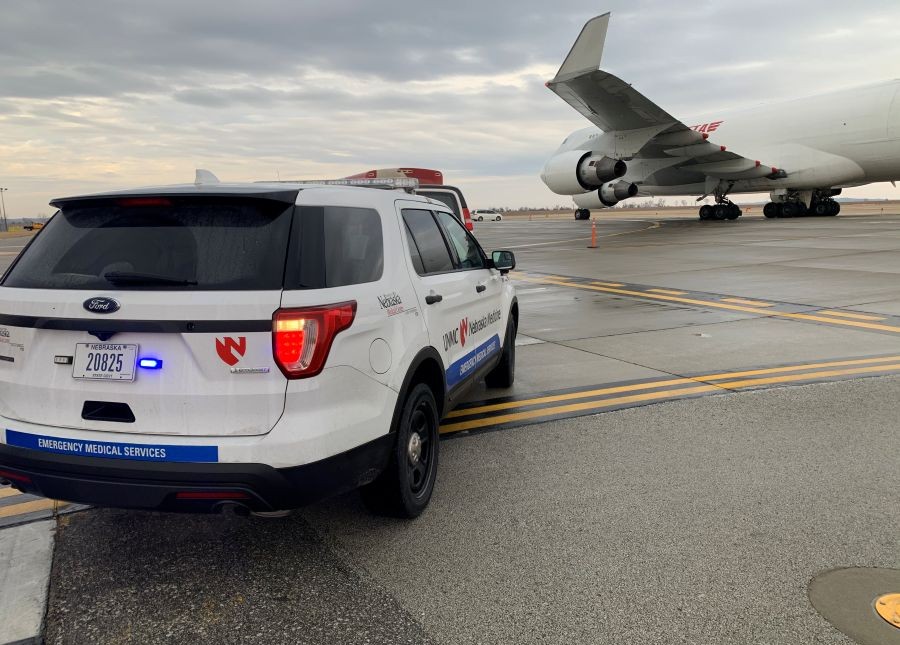
Education within our department extends beyond residency and medical school through a diverse portfolio of advanced fellowship opportunities. Over the last decade, we have designed and administered nationally recognized fellowships in Advanced Emergency Medicine Ultrasound, Medical Education, Technology and Innovation, Emergency Medical Services, and Health Security. These programs cultivate future leaders who advance clinical care, education, research, and healthcare systems at local, national, and global levels.
Across all of our programs, we are committed to fostering curiosity, innovation, service, and excellence. Whether training medical students, residents, fellows, practicing physicians, or interdisciplinary healthcare professionals, our goal remains the same: to develop compassionate, highly skilled clinicians who are prepared to lead, teach, and improve the health of the communities they serve.
Great physicians, great educators, and great leaders come from Nebraska.