Researcher Resources for Community Engagement
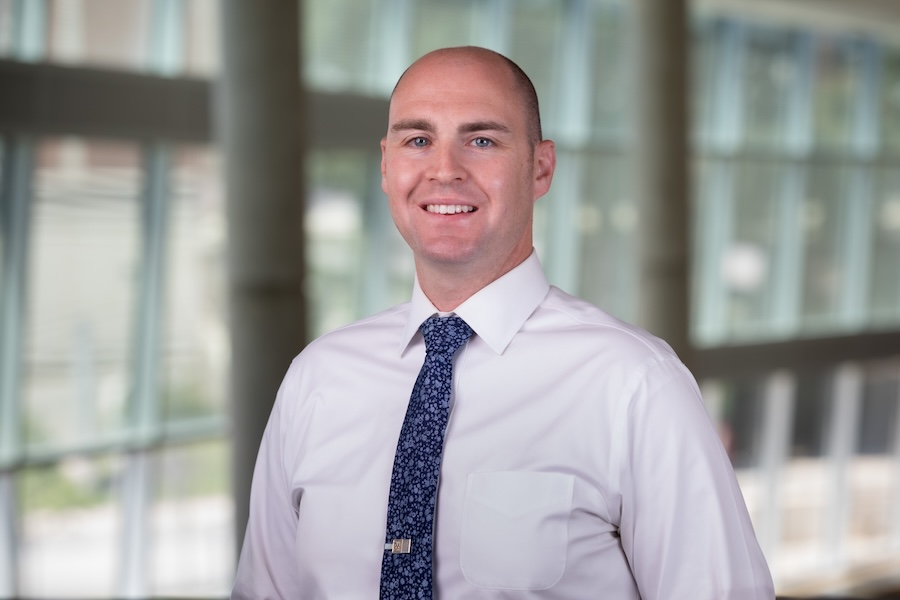
Testimonial from Principal Investigator
“Working with the COE has been a wonderful experience. They were able to help make informational flyers aid in the visibility of a clinical trial that aims to increase patient access to cutting-edge treatments and distribute this information to the patients who need it most. Our discussions were seamless and always patient-focused. I can attribute the success of this trial in no small part to my work with the COE team.” – Michael J. Baine, MD, PhD
Community-engaged Research
With the growing need for patient advocates and community members to be involved in the research study plan. The Office of Community Outreach and Engagement helps build these connections by bringing together researchers, patient advocates, Community Scientists (representatives from the community) and other community partners.
The Community Outreach and Engagement (COE) Office connects researchers with the community and helps in building community–academic partnerships. These partnerships allow patients and community members to give input at every stage of the research. To support this work, the office offers a range of services for researchers, including:
- Provide data and information on cancer disparities, screening and death rates, and other key information to help identify where more research is needed.
- Make sure clinical trial plans and patient materials include input from community members.
- Offer help and resources for grant applications or ongoing trials, including feedback from community members or patient advocates.
We provide a variety of services to support cancer research, including:
- Provide letters of support for grant applications.
- Help recruit participants for focus groups of studies, listening sessions, looking for people from certain backgrounds, income levels, or geographic areas to participate in research studies.
- Review or help write lay summaries, research recruitment flyers, and gather community feedback to make research easier to understand.
- Connect researchers with a patient advocate or community scientist (a community member who is a cancer survivor) who can review the proposed study and offer helpful suggestions.
- Support ongoing involvement from patient advocates or community scientists throughout the research process to facilitate community-engaged research.
- Introduce researchers to community organizations so they can better understand local barriers to care and opportunities to engage with specific communities.
- Work with the Fred & Pamela Buffett Cancer Center Clinical Trials Office to create culturally appropriate, easy-to-understand educational and recruitment materials for patients and families.
Complete this Service Request Form, and a staff member from the Office of Community Outreach and Engagaement will contact you to discuss the next steps.
Please note that we require at least seven days to process requests.
Community Scientists are trained individuals who partner with research faculty and staff, serving as a bridge between community members and researchers. They can partner with faculty and staff to:
- Provide input on grant proposals or ongoing clinical trial studies. This may include feedback on research study design, inclusion criteria, and recruitment strategies, especially for underserved communities.
- Review and help improve trial protocols, consent forms, and other materials to make sure they are inclusive and culturally appropriate.
How community involvement helps cancer research
Community involvement in cancer research helps research reflect the voices and experiences of the people it is meant to help. By working with community members, researchers can:
- Share opportunities for people to join trials that may benefit them.
- Ensure trial information is clear, easy to understand, and respectful.
- Include diverse participants, so trials produce more complete and fair results, leading to better cancer treatment for everyone.