Lassa Fever
About Lassa Fever
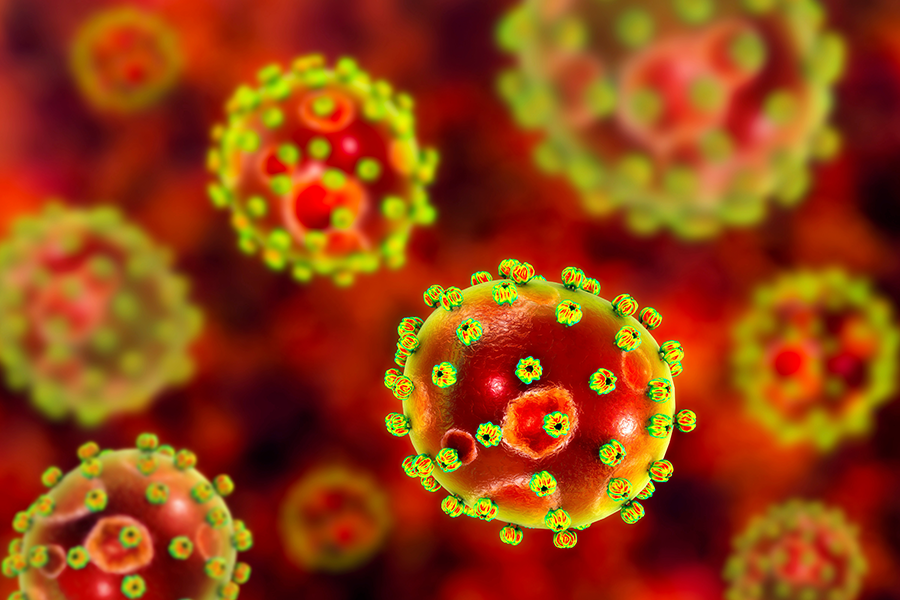
Lassa fever is an acute viral hemorrhagic illness caused by the Lassa virus, a member of the Arenaviridae family. First identified in 1969 in Lassa, Nigeria, it is endemic to parts of West Africa, including Nigeria, Liberia, Sierra Leone, and Guinea. While many cases are mild, the virus can lead to severe multi-organ failure and death, making it a significant public health concern.
What to know:
- Lassa fever is primary spread by the multimammate rat (Mastomys natalensis). Unlike humans, these rats don't get sick from the virus but shed it in their urine and droppings.
- Transmission from rats to humans occurs through direct contact with rat excreta, touching contaminated objects, or eating food contaminated by rats. In some regions, catching and preparing these rats for food is also a risk factor.
-
Transmission from humans to humans occurs through direct contact with the blood, secretions, or excreta of an infected person. This is particularly common in healthcare settings (nosocomial transmission) without proper PPE.
- Symptoms typically appear 1 to 3 weeks after exposure. For about 80% of people, the disease is mild or asymptomatic; for the other 20%, it is a multi-system disease.