
Health Educators and Academic Leaders
The Health Educators and Academic Leaders curriculum provides a foundation in best teaching practices, educational scholarship and academic leadership to UNMC's health professionals in training.
With involvement from many UNMC colleges and departments, HEAL is a two-year extracurricular track for aspiring clinician educators. It is designed to allow health professional trainees the opportunity to develop essential skills as educators before transitioning into their careers.
The objectives of UNMC's HEAL track include:
- To facilitate clinical educator excellence through mentorship, coaching and self-determined learning.
- To foster an interprofessional community of practice among health professionals in training.
- To develop future leaders, scholars and change agents in health professions education.
By the Numbers
HEAL is a hub of innovation and continues to grow to better train the next generation of clinician educators.
First of its kind
HEAL is the first competency-based interprofessional health educator track in the nation.
100 trainees
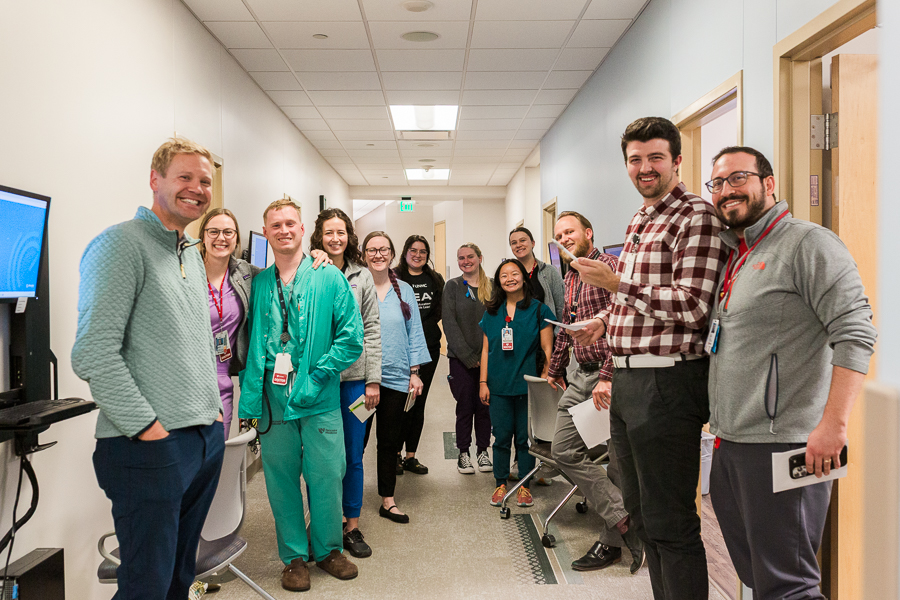
In just five years, 100 UNMC residents and fellows have enrolled in the track.
23 disciplines
Current or past cohorts include learners from 23 UNMC disciplines.
Curriculum Overview
Foundations Program
The HEAL curriculum is divided into two tiers to accommodate variability in learner interest, career aspirations and time. The "Foundations" program includes four one-credit courses comprised of a series of seminar-workshops, faculty mentorship, relevant readings and contributions toward a teaching portfolio.
Advanced Program
The "Advanced" program adds three asynchronous courses from the Masters of Health Professions Teaching and Technology program. Upon completion, participants will have earned the program’s Professional Certificate (12 MS credits).
A Hub for Innovation
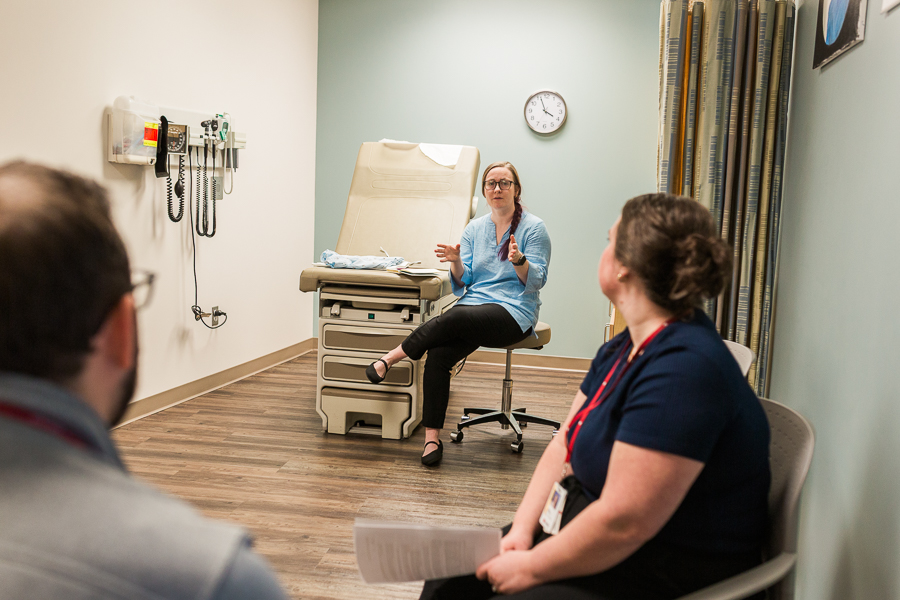
Participants try new simulations, use AI feedback, and benefit from mentorship, coaching and interdisciplinary peer support. Opportunities to try something new, get feedback, iterate, reflect and improve are embedded in HEAL. The curriculum now includes annual Objective Structured Teaching Encounters, which give participants a 360-degree evaluation of their performance and take place in the simulation lab at the Davis Global Center. In two hours, HEAL cohort members can receive five different perspectives of their teaching.
HEAL's History
The Need for HEAL
HEAL was a grass roots initiative that gained traction in 2019 due to increasing interest from residents and fellows to have formalized training in medical education. Jon Hall, a fourth-year medical student at the time, and Dr. Cory Rohlfsen, who was internal medicine chief resident at the time, laid the groundwork for HEAL.
Read more about how HEAL came to be, its current impact and plans for the future.Health Education Inspiration
Dr. Rohlfsen was inspired by the work of nurse educator Susan. B. Bastable, EdD, RN, who has been quoted as saying "... health professionals are expected to assume the role of teaching others in their daily practice, whether their audience consists of patients and families, fellow colleagues, or students as prospective members of a given profession. However, very few members of the health disciplines have ever been educated on the principles of teaching and learning to successfully and securely carry out their role as educator."