Plague
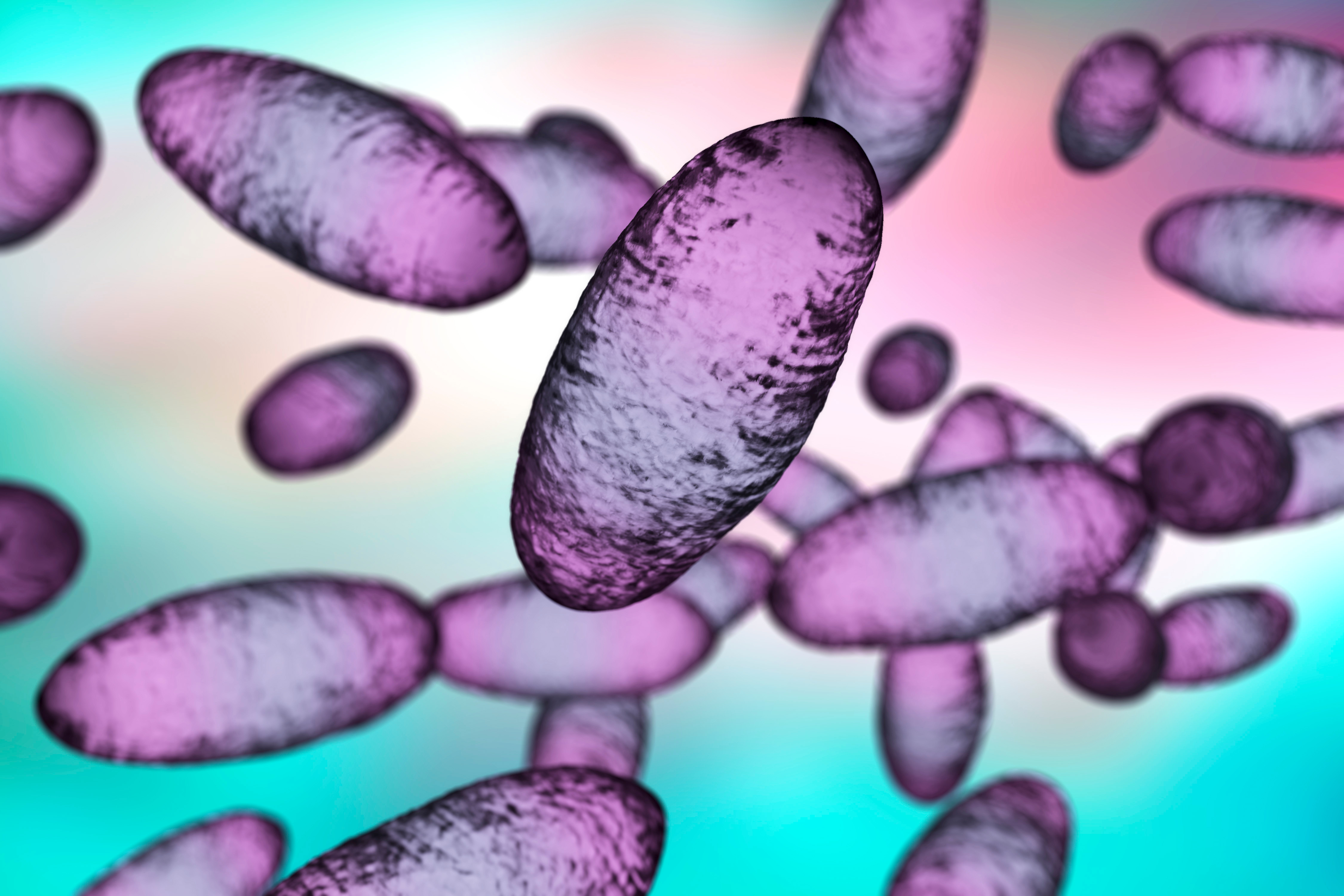
The plague is a serious bacterial disease caused by Yersinia pestis. It is best known for causing the Black Death, the devastating pandemic that killed millions of people in Europe during the 14th century. Today, plague is rare and can usually be treated successfully with antibiotics if diagnosed early.
What to know:
- Types of plague
- Pneumonic plague
- Infectes the lungs and can spread from person to person through respiratory droplets.
- Most contagious form.
- Septicemic plague
- Occurs when bacteria enter the bloodstream and can cause severe infection, tissue damage, and shock.
- Bubonic plague
- The most common for, this causes swollen, painful lymph nodes.
- Pneumonic plague
-
Common symptoms of plague depend on the type of infection, but early symptoms often include:
- Sudden fever
- Chills
- Headache
- Extreme weakness
- Muscle aches
- Treatment includes antibiotics and should begin as soon as possible, ideally within 24 hours of symptom onset.