Gregory G. Oakley, PhD
Professor, Department of Oral Biology, UNMC College of Dentistry
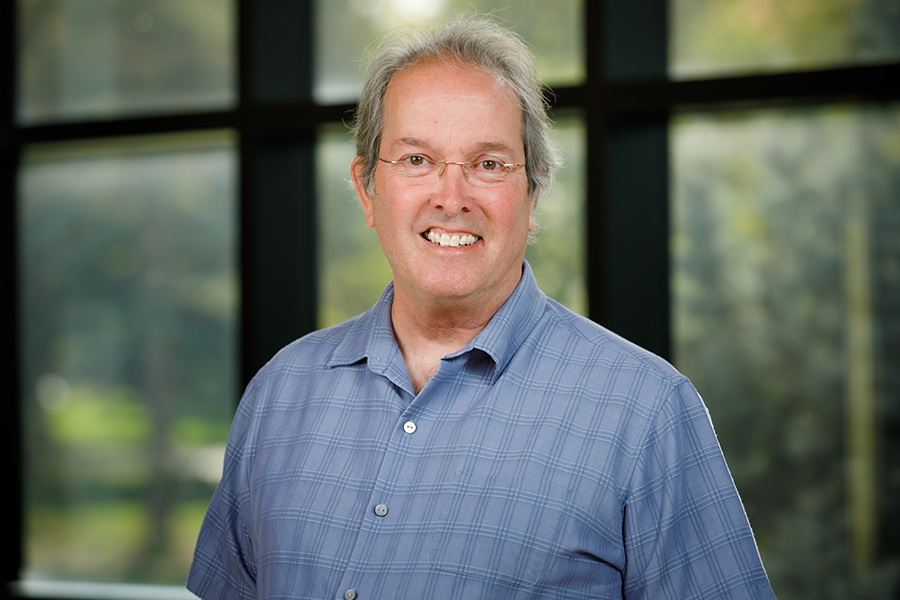
Gregory Oakley, PhD, is a professor in the Department of Oral Biology at the UNMC College of Dentistry. With a PhD in Toxicology from the University of Kentucky, Dr. Oakley has built a distinguished career in research focused on the DNA damage response, replication stress and cancer biology. His research has been published in high-impact journals such as Cancer Research, Nucleic Acids Research and Scientific Reports. He has secured significant funding as both principal and co-investigator on NIH, American Cancer Society and institutional grants.
Dr. Oakley teaches pharmacology to residents, dental and dental hygiene students, while also directing graduate-level seminars and advising numerous masters and doctoral students. A dedicated mentor and educator, he has been recognized for both his scientific contributions and teaching excellence. His work bridges basic science and translational applications, contributing meaningfully to the advancement of cancer therapeutics and dental education.
Dr. Oakley has been recognized with the American Cancer Society Research Scholar Award and UNMC’s Most Promising New Invention Award. He has held national leadership roles, including co-chairing the American Cancer Society Cell Cycle & Growth Study Section and serving as a regular member of the NIH Cancer Drug Development and Therapeutics Study Section.
- PhD: University of Kentucky, 1997
Research focus: DNA replication stress and repair; therapeutic targeting in cancer.
Dr. Oakley’s research explores how cells respond to DNA damage, particularly during replication, and how failures in these repair processes contribute to cancer. His work focuses on key proteins like replication protein A (RPA) and their role in activating cell cycle checkpoints and repairing DNA in response to chemotherapy-induced stress.
By understanding these molecular pathways, Dr. Oakley aims to identify novel drug targets that can make cancer cells, especially those in oral, and head and neck cancers more sensitive to treatment. His long-term goal is to improve therapeutic strategies by exploiting cancer-specific weaknesses in DNA repair mechanisms.
- Distinct roles for DNA-PK, ATM and ATR in RPA phosphorylation and checkpoint activation in response to replication stress
- RPA Inhibition Increases Replication Stress and Suppresses Tumor Growth
- Small molecule inhibitor of the RPA70 N-terminal protein interaction domain discovered using in silico and in vitro methods