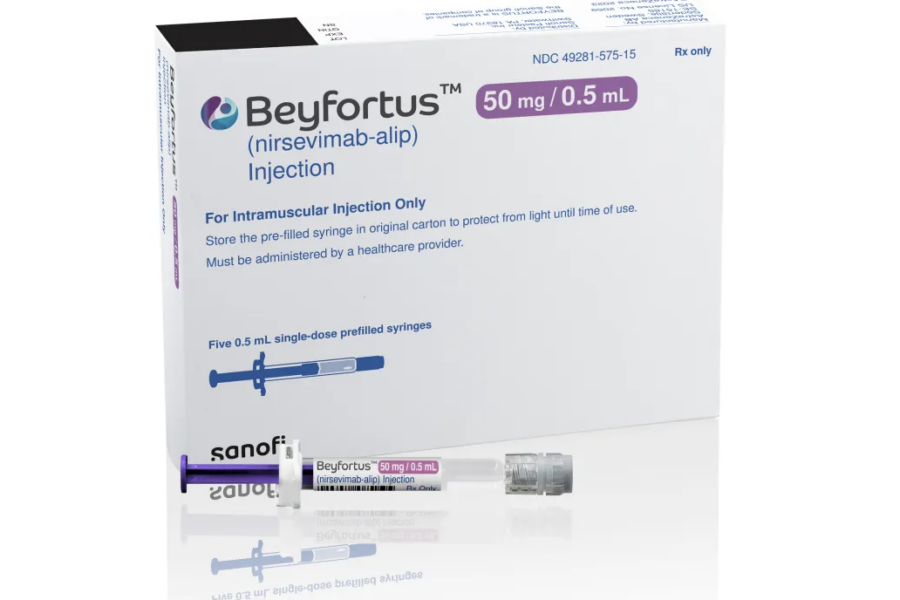
A supply shortage means a drug that can prevent respiratory syncytial virus (RSV) in infants won’t have a major immediate impact, children’s hospitals said, and they are preparing for a surge in admissions this respiratory disease season.
“Widespread access [to the new antibody drug] will take time across many sectors of the pediatric population and won’t have as great an impact on volumes this immediate respiratory season,” the Children’s Hospital Association said in a statement.
Nirsevimab, marketed as Beyfortus, was approved in August. It’s a single shot that can be given to infants up to 8 months old and high-risk babies up to 19 months old.
The drug is a monoclonal antibody, rather than a traditional vaccine, meaning babies will be able to directly receive antibodies to prevent severe RSV disease, rather than prompting the immune system to develop them. It cuts the risk of hospitalizations in infants by about 80 percent and has been hailed as a game changer.
Fair Use Notice
UNMC Global Center for Health Security staff curate publicly available news and information for educational and informational purposes. Brief excerpts of published articles may be displayed under principles of Fair Use, with credit and links provided to the source publications. All copyrights remain the property of their respective owners.