Science The previously undescribed strain appears to have borrowed genetic information from a highly virulent canine coronavirus.
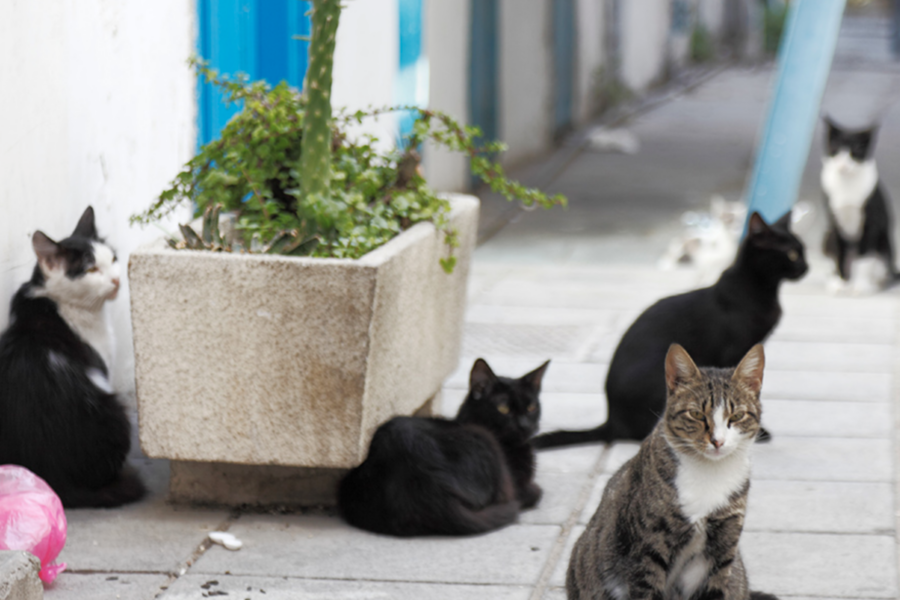
When thousands of cats started to die this year on the Mediterranean island of Cyprus, nicknamed the “island of cats” for its 1-million-strong feline population, the crisis made international news. The animals had fevers, swollen bellies, and lethargy—symptoms that pointed to feline infectious peritonitis (FIP), a common condition caused by a type of cat coronavirus. But scientists struggled to explain the apparent explosion in cases.
Now, researchers have identified a possible culprit: a new strain of feline coronavirus that has coopted key RNA sequences from a highly virulent dog pathogen called pantropic canine coronavirus (pCCoV). The findings, posted as a preprint last week on bioRxiv, could help explain how severe illness managed to spread so widely among cats on the island.
“They’ve done a great job in identifying what looks to be a very interesting and concerning virus,” says Gary Whittaker, a virologist at the Cornell University College of Veterinary Medicine who was not involved in the research. Although canine-feline coronavirus crossovers have been reported before, he says, this is the first documented case of a cat coronavirus combining with pCCoV, apparently leading to a “perfect storm of both disease and transmissibility.”