Mpox
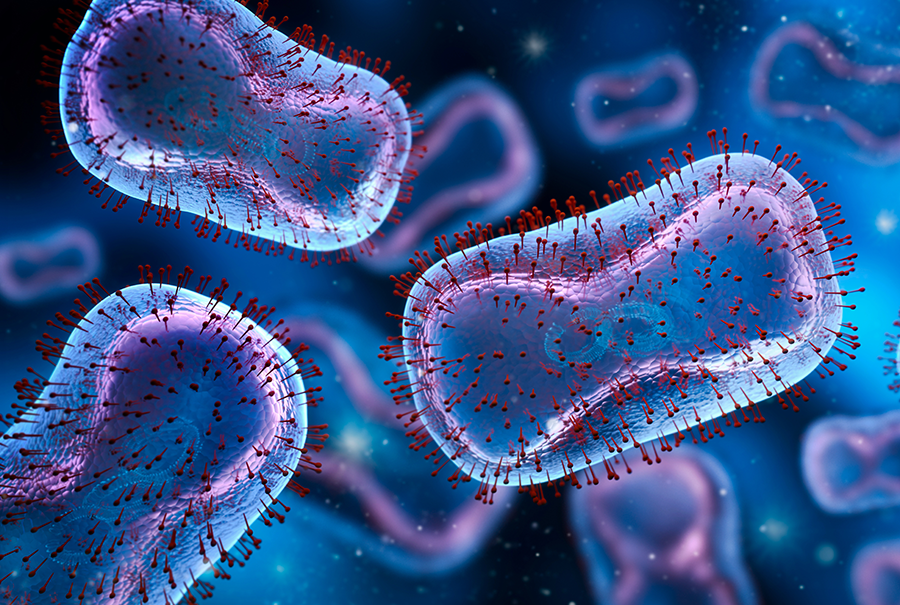
About Mpox
Mpox (formerly known as monkeypox) is a viral zoonotic disease—meaning it transmits from animals to humans—caused by the Mpox virus. It belongs to the Orthopoxvirus genus, the same family as the virus that causes smallpox, though it is generally less severe. Mpox is characterized by a painful rash, fever, and swollen lymph nodes. While it was historically concentrated in Central and West Africa, a global outbreak in 2022 led to its re-classification as a significant public health priority worldwide.
Since November 2024, there have been there have been nearly 130 laboratory-confirmed cases of clade I monkeypox in the U.S. at least 26 states plus Puerto Rico.
Since August 2026, an increasing number of clade I cases in the U.S. have been reported in individuals with no recent international travel or known links to people who had recently traveled.
What to know:
- The illness usually progresses in stages, lasting anywhere from 2 to 4 weeks.
- Prevention involves vaccination, avoiding skin-to-skin contact with people who have a rash that looks like Mpox, and practicing good hand hygiene.
- While the "Public Health Emergency of International Concern" status was lifted in 2023, Mpox remains an endemic challenge in parts of Africa and requires ongoing surveillance globally to prevent localized spikes.