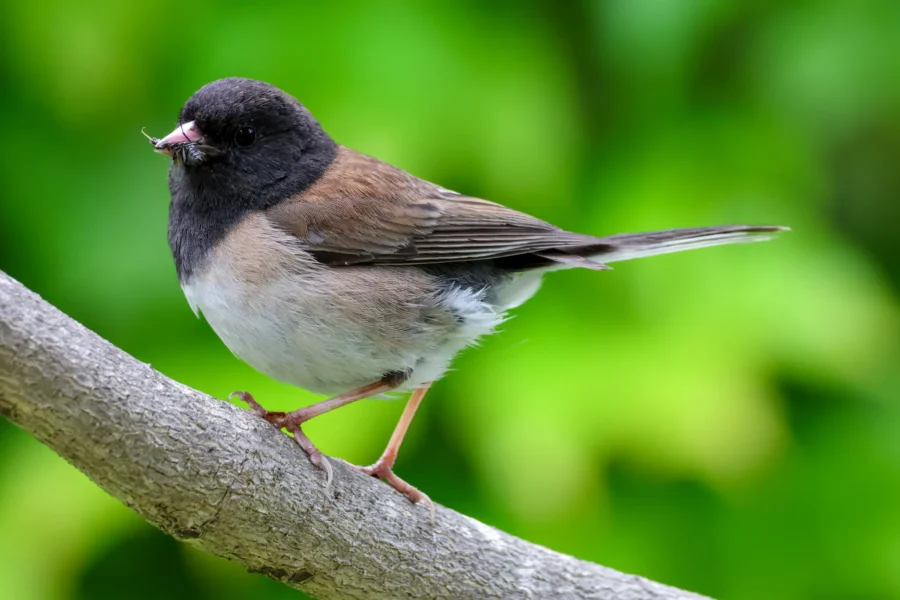
For ecologists, the Covid-19 pandemic has presented a remarkable natural experiment in what can happen to wild animals when humans stay home. About two decades ago, the dark-eyed junco, a forest-dwelling sparrow, began to colonize urban Los Angeles. The birds proved to be remarkably successful in the city, making themselves at home on the bustling campus of the University of California, Los Angeles.
They also rapidly diverged from their wildland counterparts, adopting different breeding behaviors and displaying different physical traits, including shorter wings. The urban juncos also developed shorter, stubbier beaks, a shift that may have been driven by a change in diet.
But when U.C.L.A.’s campus shut down during the pandemic, something remarkable happened: The beaks of juncos born on campus reverted to their wildland shape. Several years later, after the pandemic-related restrictions had been lifted, the distinctive urban beak shape returned, researchers reported in a new study on Monday.
For ecologists, the Covid-19 pandemic represented a remarkable natural experiment, an opportunity to study what wild animals did when humans stayed home, en masse. During what has become known as the “anthropause,” mountain lions crept closer to cities and sea turtles ventured closer to shore, while birds lowered the volume of their songs, scientists have found.