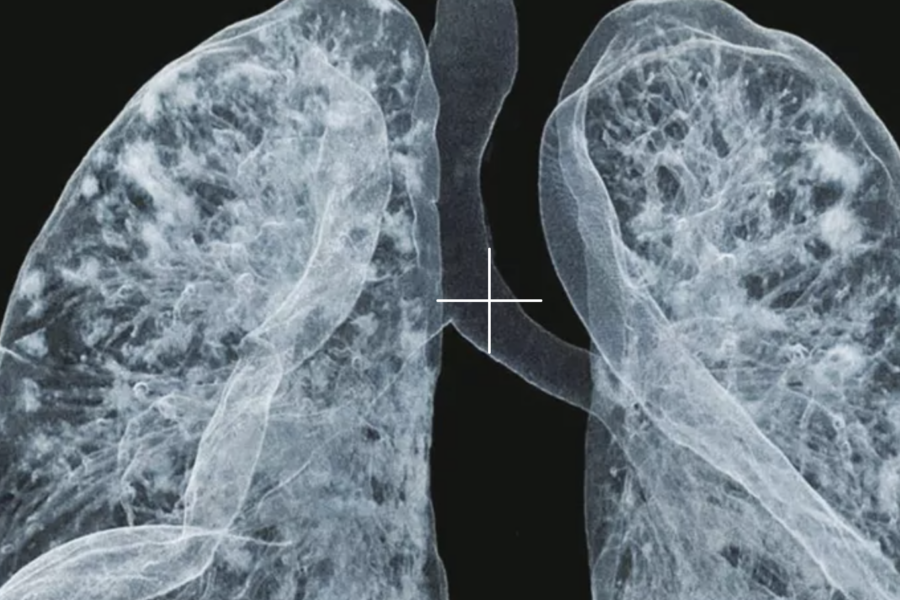
This image gallery shows what the various clinical presentations associated with the COVID-19 (SARS-CoV-2) virus that have been documented during the coronavirus pandemic and in the years since with long COVID patients
Originally thought to be a disease limited to the respiratory system, COVID was quickly found to impact many areas of the body. The virus caused responses in many people that resulted in increased clotting of the blood, which can lead to pulmonary embolism, strokes, heart attacks and thrombosis in other organs leading to infarcts. Severe inflammatory responses from COVID also cause rashes, nerve damage, myocarditis, pericarditis and brain hemorrhages. The virus usually causes mild or asymptomatic illness in kids, but a couple of weeks after infection can result in the rare presentation of multi-system inflammatory syndrome in children (MIS-C). Ongoing research is also shedding light on long-term damage caused to the body by COVID, including issues in the lungs, brain and heart. Long-COVID symptoms have become a major area of research since 2021 This gallery offers medical imaging examples in all of these areas and newer findings from 2025.
Fair Use Notice
UNMC Global Center for Health Security staff curate publicly available news and information for educational and informational purposes. Brief excerpts of published articles may be displayed under principles of Fair Use, with credit and links provided to the source publications. All copyrights remain the property of their respective owners.