Rheumatology Fellowship Curriculum
We prioritize our fellow’s education and promote a rich experience with an emphasis on education over service.
Curriculum
Our fellows have a wide variety of opportunities. The clinical sites, research opportunities and clinical experience all make the rheumatology fellowship a sought-after program. Below are some of the experiences that we have available for our fellows.
These rotations provide the fellow with the knowledge and skills to provide timely and accurate consultations to other physicians caring for hospitalized patients.
Fellows will gain experience in the diagnosis and management of inpatient rheumatic disease and coordination of the transition of care to an outpatient setting.
In addition to the Inpatient block, there are four research/quality improvement blocks: Specialty, Ambulatory, Ultrasound and Educational/Elective.
- In the Specialty block the fellow will participate in the following clinics in addition to their weekly continuity clinic: VA, RA, Lupus and Myositis/Scleroderma.
- In the Ambulatory block the fellow will participate in the following clinics in addition to their weekly continuity clinic: VA, Intake at Village Pointe and Brentwood.
- In the Ultrasound block the fellow will participate in the following clinics in addition to their weekly continuity clinic: VA and Ultrasound.
- In the Educational/Elective block the fellow will participate in the following clinics in addition to their weekly continuity clinic: VA, pediatric rheumatology, combined dermatology and combined pulmonary.
Fellows will participate in either clinical or laboratory research during training. Research continues longitudinally through fellowship and will have more emphasis during certain blocks.
The optional third year of the program is designed for fellows interested in a career in academic medicine. The year is geared toward an active research experience to prepare trainees for the rigors of conducting high quality, externally funded research.
The division of rheumatology is currently involved in a wide scope of research, including clinical trials and basic science research at UNMC and at the Omaha VA Medical Center, including:
- An internationally recognized clinical research program for RA research, the Rheumatoid Arthritis Investigational Network. RAIN, under the direction of Dr. James R. O'Dell, is focused on helping find better ways to treat RA. RAIN is comprised of more than 40 rheumatologists located throughout the US.
- The Veterans' Affairs Rheumatoid Arthritis (VARA) Registry, founded by Dr. Ted Mikuls, focuses on understanding rheumatoid arthritis in US veterans. It is a growing registry with 14 current sites across the country.
- FORWARD, formerly the National Databank for Rheumatic Diseases, co-directed by Dr. Kaleb Michaud. It is the largest rheumatoid arthritis registry in the country.
- The RAIN database, headed by Dr. Kaleb Michaud, gathers clinical data from rheumatoid arthritis patients at UNMC, allowing researchers to longitudinally examine and assess RA patients.
Educational Curriculum Summary
Attended by Internal Medicine Residents and sponsored by the Department of Internal Medicine. Fellows attend when presentations are pertinent to rheumatology training. (twice weekly)
Attended by fellows and divisional research faculty and personnel. Fellows discuss current research and quality improvement projects and outcomes. (monthly)
Attended by the fellows, program director, other faculty and program coordinator to discuss the day-to-day fellowship operations, problem solve and long-range planning. Discussion includes goals and objectives, duty hours, didactics, NMC issues, OVAH issues, ambulatory issues, research updates, quality and system based practice projects, wellness and administrative logistics. (monthly)
- Immunology Conference (monthly, repeating yearly): attended by our award-winning basic scientist immunologist, fellows and trainees on rheumatology. This distinct curriculum teaches the basic principles of immunology and gradually progresses to disease pathogenesis and application of therapeutic targets.
- Research/Quality Improvement Conference (quarterly): attended by faculty and fellows. Research and Quality Improvement projects are presented by fellows for feedback, networking ideas and future projects.
- Multi-disciplinary Conference (every other month): attended by faculty, fellows, trainees on rheumatology and outside guest lecturers. Multi-disciplinary topics are presented from physical and occupational therapy, ophthalmology, dermatology, pathology, neurology, orthopaedics (hand, shoulder, foot, hip), neurosurgery, allergy, pediatrics, sports medicine, physical medicine and rehabilitation, geriatrics and pharmacology.
- Morbidity and Mortality Conference (yearly): attended by faculty and fellows, with additional subspecialty teams as needed. This conference focuses on active or previous cases. Relevant clinical history, ancillary data and pathology are reviewed in a group format to discuss the management and outcome of the case.
- Clinical Pathologic Conference (quarterly): attended by rheumatology and pathology faculty and fellows. This conference reviews organ specific rheumatic disease pathology under the multi-head scope in a case-based approach. Topics include muscle, brain, blood vessel, skin, lung, kidney and other tissues relevant to rheumatic disease.
- Fellow’s Conference (monthly): attended by faculty, fellows and trainees on rheumatology. Each fellow presents a topic of his or her choice, with approval of the program director. Fellows take a deep dive into the pathogenesis, clinical presentation and treatment of rheumatic disease and are evaluated on presentation content and style. Each fellow presents four times yearly. As part of this series, fellows also give group presentations on updates from the ACR annual meeting, ACR SOTA meeting, rheumatic disease drugs and a pot-pourri quiz to faculty, utilizing the ACR or the UNMC rheumatology image banks. These latter presentations occur yearly.
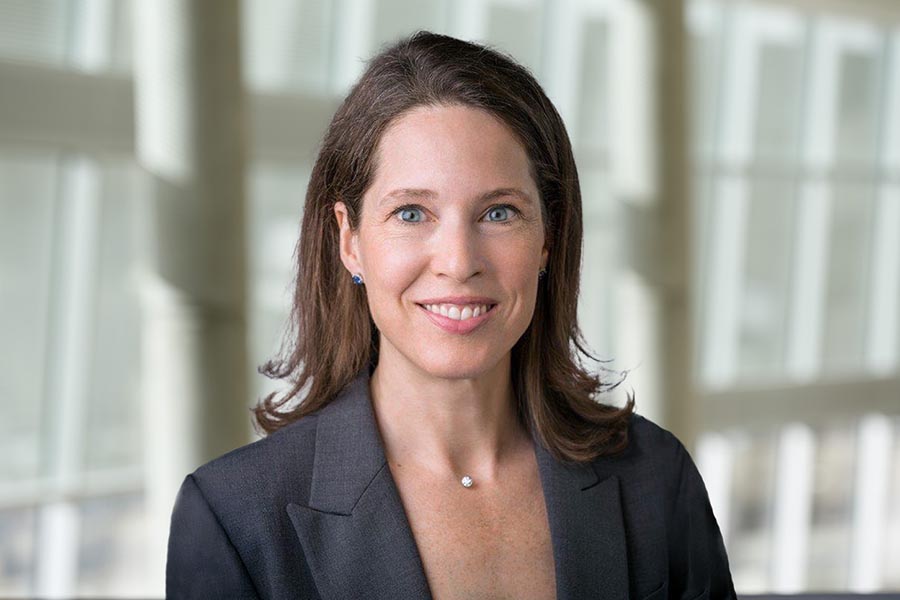
Amy Cannella, MD, MS, RhMSUS
Program Director