Tag: segment
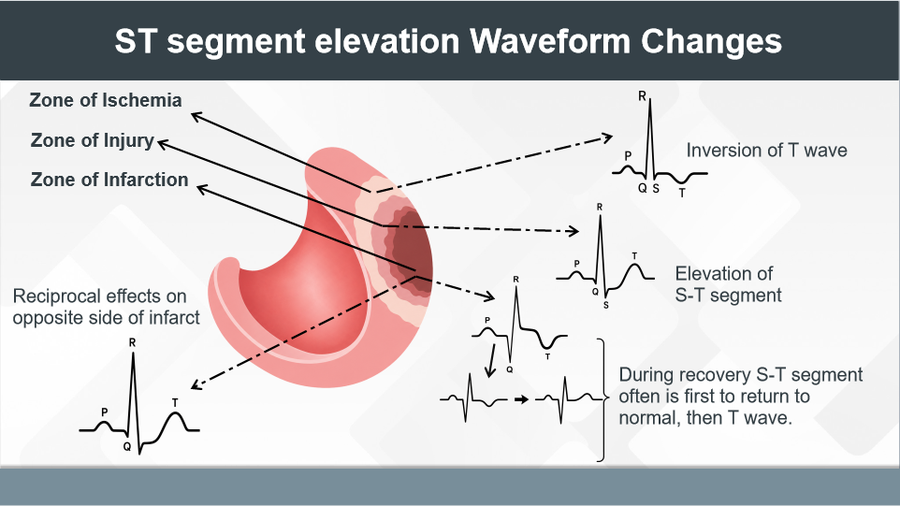
ECG Part 4: Waveform Description & Atrial Enlargement
Waveform Description & Atrial Enlargement focuses on evaluating ECG waveforms for abnormalities that indicate structural heart disease, ischemia, infarction, or other cardiac conditions. Learners assess features such as R-wave progression, ST-segment and T-wave changes, and Q-wave abnormalities, while also identifying signs of right and left atrial enlargement through characteristic P-wave morphology. This section helps learners […]
Aug 11, 2026
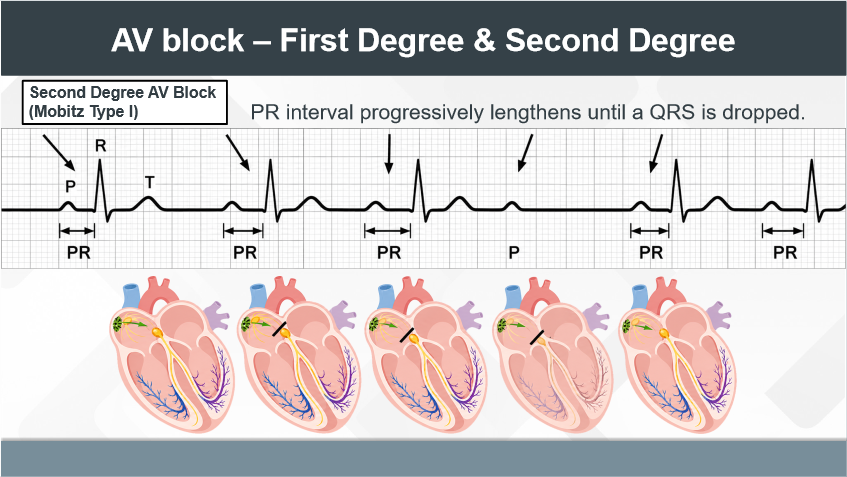
ECG Part 3: Conduction Analysis, AV Block, and Bundle Branch Blocks
Conduction Analysis: AV Block & Bundle Branch Blocks focuses on identifying abnormalities in the heart’s electrical conduction system. Learners examine the different degrees of AV block (first-degree, second-degree Mobitz I and II, and third-degree/complete heart block) by evaluating PR intervals and atrioventricular conduction patterns. The section also introduces bundle branch blocks and fascicular blocks, teaching […]
Aug 11, 2026
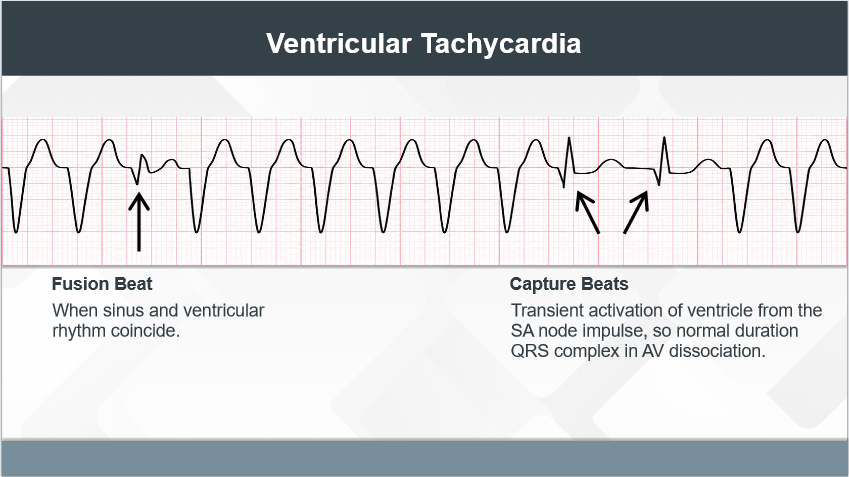
ECG Part 2: Rhythm & Additional Events
Rhythm & Additional Events introduces the identification of normal and abnormal cardiac rhythms by evaluating the relationship between P waves and QRS complexes, rhythm regularity, and heart rate. Learners recognize common arrhythmias and ectopic events, including atrial fibrillation, atrial flutter, multifocal atrial tachycardia, PSVT, junctional rhythms, PVCs, PACs, ventricular tachycardia, and ventricular fibrillation, while understanding […]
Aug 11, 2026
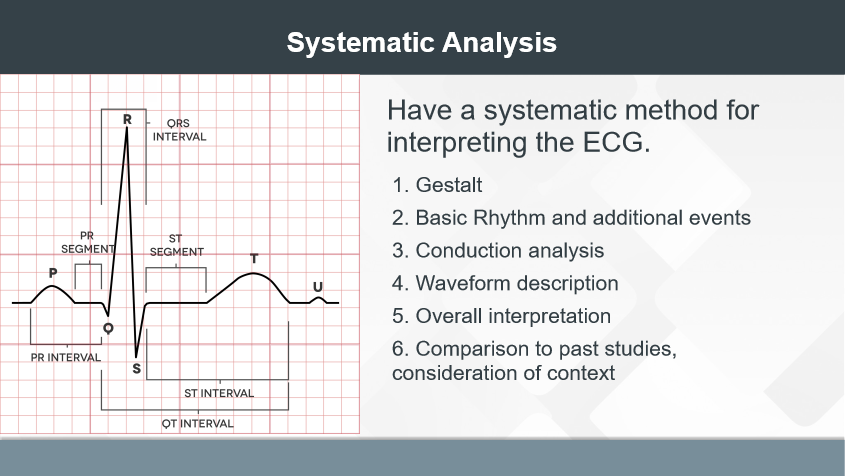
ECG Part 1: Systematic Analysis & Measurements
The Systematic Analysis & Measurements section introduces a step-by-step method for ECG interpretation, beginning with a quick quality and calibration check, followed by measurement of heart rate, PR interval, QRS duration, QT/QTc interval, and cardiac axis. By applying this structured approach consistently, learners build a strong foundation for accurately identifying rhythm, conduction, and waveform abnormalities […]
Aug 11, 2026