Scientist Development Award
This award is designed to support promising UNMC Department of Internal Medicine faculty candidates in the transition from fellowship/post-doctoral training or as early faculty into a career as an independent researcher.
Applications for funding for the 2027-28 academic year are now being accepted and are due December 7, 2026, by 5 pm CST. Contact Alisa Abouodah with questions about the Scientist Development Award.
Apply for the Scientist Development Award
The award is intended to target individuals who plan to embark on long-term careers in biomedical and/or clinical research. This award aims to provide support for early faculty (at the level of instructor or assistant professor) during which the applicant would participate in a mentored research training program. Applicants should be in the process of completing the final year of fellowship, with a faculty appointment anticipated by July 1, 2027, or in the first two years of a faculty appointment at the time of submission.
This mentored program provides support for salary as well as research and/or education costs for one year of research training in an environment where awardees will interact with more established investigators in the UNMC Department of Internal Medicine and their collaborators. The goal of funding at this level is to provide an opportunity for young scientists to embark on focused research and research training that will allow them to be competitive for the next level of career development awards (e.g., NIH K Award, VA Career Development Award, or equivalent foundation award). It is expected that the awardee will demonstrate significant productivity during the one-year funding period, including but not limited to serving as the PI on external grant applications, first-author manuscript submissions, and/or participation in meaningful professional development (e.g., research training) activities. Through this award, the department provides a means for developing more qualified, highly trained investigators at UNMC.
Award Amount: Up to $100,000 in total funds for one year.
Application Deadline: Monday, December 7, 2026
All applications must be emailed to Alisa Abouodah by 5 pm CST on the deadline day.
The award announcement will be made within 60 to 90 days of the application deadline. Funding will begin on or about July 1, 2027.
- Fellow applicants must have completed all requirements for a fellowship program and have a faculty appointment prior to funding.
- Faculty applicants must be within three years of their initial faculty appointment at the time of funding.
- Clinician scientist applicants must be board-certified in internal medicine and, as appropriate, at least board-eligible in their subspecialty.
- Clinician applicants must be in good standing with their division, the department, and Nebraska Medicine (all credentialing and Nebraska licensing must be valid and up to date).
- Be able to commit at least 50 percent full-time professional effort to research, career development, and other scholarly activities for at least one year.
- Commitment from a mentor with a primary appointment in the UNMC Department of Internal Medicine who will oversee the training and research experience.
- Former or current principal investigators of research grants (at the K level or higher, including institutional K or VA (Veterans Affairs) Career Development Award) and past awardees of this or equivalent Foundation grants are NOT eligible to apply. Small R award grant holders (e.g., R03, R21) remain eligible.
- The applicant must have received human subjects research training as required by UNMC, and the proposed project must be IRB/IACUC approved prior to the receipt of funding (along with satisfying all other regulatory requirements); note IRB/IACUC approval is not necessary at the time of application submission.
If you have questions about your eligibility, please contact Alisa Abouodah before preparing your application.
Applications are rated on the following criteria:
- The proposed research project’s scientific merit: proposals should include clearly stated hypotheses and a detailed methods section with a clear statistical analysis plan and sample size/power considerations as appropriate.
- The appropriateness of the proposed project as a mechanism for developing the applicant into an independent biomedical investigator.
- The environment in which training will be conducted, specifically the mentor, the division, the available facilities, and the potential for inter- and extra-departmental interactions.
- The applicant’s background, training and potential to develop into a productive research scientist.
- The division’s commitment to protect the applicant’s time for research and continued education, including evidence of such commitment extending beyond the proposed funding period.
Prior experience and publications are not required but will be considered as supporting qualifications of the applicant. Evidence of the division’s commitment and plans for the advancement of the applicant toward becoming an independent investigator will be important in the review of this award.
Awardees should not have received funding as principal investigator by any of the award mechanisms outlined in the eligibility section at the time funding for this award begins. Should the awardee receive any of the awards mentioned above during the award period, they must notify the office of the vice chair for research.
Awards are funded for one year; however, there is a possibility for renewal with an additional year of funding. Renewal is contingent on the submission of an annual progress report showing substantial accomplishments and progress toward benchmarks specified in the original application. To be considered for a second year of funding, awardees must also provide evidence of a submitted application for a career award (e.g., NIH K or R series award, VA Career Development Award, or equivalent from a private foundation or other external funding source). Renewal in the second year is competitive and subject to approval by the department chair’s office. Final funding decisions will be made by the department chair in consultation with the vice chair for research.
Salary: Salary will be based on levels set by the sponsoring division. Awardees may receive salary supplementation from other sources; however, the extent of this supplementation must be stated on the application, and the applicant must notify the vice chair’s office if other support is received during the award term. Funding can be used to cover fringe benefits.
Research Costs: Allowable research costs include the following types of expenses: research supplies, equipment, and technical personnel; tuition and fees and books related to degree programs, such as an MPH, MCR or other didactic courses appropriate for career development; travel to research meetings or training (limited to $5,000); and statistical services including personnel and computer time.
Progress Report: Funded applicants will be required to provide an in-person “progress report” to the Internal Medicine Research Committee (IMRC) six to nine months into the funding period. It is anticipated that the progress report will include detailed plans (or report) on additional funding that will be sought or that has been applied for during the one-year funding period. The awardee will also be required to participate in a Research Studio hosted by the Great Plains IDeA-CTR within three months of project completion.
The application should be submitted as a single PDF document which includes the following:
- Cover page including the project title, investigator’s name, rank, and division and mentor(s) name(s), rank(s) and division(s).
- Cover letter confirming that the applicant satisfies all eligibility criteria; the letter should include contact information and the names of the mentor(s).
- Division chief letter confirming that sufficient time will be protected for the award, outlining the applicant’s expected distribution of time over the one-year award. Awardees must devote at least 50 percent of full-time professional effort to research, career development and other scholarly activities during the award term, with at least 25 percent to this award in the first year. Candidates may not spend more than 50 percent effort in clinical and/or teaching activities. This letter should also be used to clarify any divisional support that will be used above and beyond the $100,000 allowed from this award.
- Career development plan outline (limited to one page) – The applicant should identify any future learning needs and peer support. Goals should be specific, measurable, achievable, relevant and bound by time. Include how this proposed project factors into your plan.
- NIH biosketches for the applicant and mentor(s) – Only the new NIH format will be accepted (limited to five pages for each biosketch); this should detail any pending grant support. Biosketches should be included for all primary and secondary mentors identified by the applicant. Review the new NIH Biosketch Format Pages, Instructions, and Samples
- Mentor information – All participating mentor(s) are required to provide their current biosketch as well as a letter of support. This letter is limited to a maximum of two pages for the primary mentor and one page for any secondary mentors. The letters should include:
- The mentor’s commitment to the applicant.
- A description of the mentor’s involvement in the proposal.
- The mentor's prior experiences in research mentoring.
- The primary mentor should outline other activities that will be used to aid the applicant’s development into an independent investigator (i.e., describe any coursework or other plans for obtaining specific research methodology training).
- Describe the specific commitment of the mentor(s) to the applicant’s proposal (for example, frequency and content of meetings with the applicant) and early career development (i.e., how you will help the applicant develop into an independent biomedical investigator).
- Describe the proposed research environment, including any information regarding secondary mentors (separate letters from secondary mentors are not required).
- Note: An applicant may have more than one mentor; however, the primary mentor must be a faculty member in the UNMC Department of Internal Medicine. While a secondary research mentor outside the department is allowable, it is essential that the trainee's academic career development has meaningful input from department faculty. Importantly, mentors must have sufficient independent research support to cover the costs of the proposed research project in excess of the allowable costs of the award. The use of co-mentors to achieve the goals of the program is strongly encouraged.
- Scientific project – see details below under Project Information.
The information in this section is general information about the application submission.
- Project Title: Make your title specific and detailed. It should clearly state the topic of your proposal.
- Abstract (limit to 300 words): Succinctly describe the hypothesis to be tested, the specific aims or global objectives of the project, and the expected results.
- Research Proposal: Limited to six pages including figures and tables (does not include references; the six-page limit applies to components 1 through 5 below). The applicant is solely responsible for writing the proposal. This section should be presented in such a way that it is clear the applicant understands the project. Describe in detail:
- Specific aims (limit one page): State the overall research objectives, the specific aims for the proposed project, and the hypotheses that will be tested.
- Background (suggested limit of less than one page): Briefly summarize the background to the proposal. Include only key references to prior work that constitutes the foundation of the proposal and any preliminary background work by the applicant and/or his/her mentors.
- Experimental design and methods: Summarize the essential features of the experimental design and methodology. Include a specific plan for data and statistical analysis as well as a clearly defined power analysis where appropriate. Preliminary data may also be included in this section. Involvement of a qualified statistician is strongly encouraged (consultations can be completed with the UNMC Center for Collaboration on Research Design and Analysis (CCORDA).
- Significance (suggested limit of less than one page): Include a statement on the relevance of the proposed project to the prevention, control, or cure of the disease of interest. Describe how the successful completion of the proposed project will add to a better understanding of disease and/or health. State the importance of the research described in this application by relating the specific aims to the broad, long-term objectives.
- Future Direction (suggested limit of less than a half page): Include a statement summarizing the potential impact and outcomes that this project may have on your career and the field. Please outline how successful completion of the aims outlined in this award will position you for future funding. Inclusion of specific funding opportunities or RFAs is encouraged.
- Selected references
- Benchmarks of Success (see below): Benchmarks of success and corresponding timeline should be included for any formal coursework/training proposed and the research project as outlined in the research proposal. This may include a timeline for other grant submissions (e.g., NIH, VA, foundation, etc.).
- Budget (see below): The budget should indicate the expected amount of salary from the award, including fringe if requested.
The benchmarks (expected status of the project at various points in time) included in your original application will be used to evaluate progress. The milestones should reflect the specific aims of the proposal and be presented within the context of measurable outcomes. Note: timeline for other grant submission (e.g., NIH, VA, Foundation, career development awards, etc.) is a required benchmark.
Provide a table with the following columns:
- Benchmarks (should be listed in order of priority)
- Metrics for success (projected endpoints)
- Expected completion date
Applications must include your proposed funding start date and through date.
An itemized budget indicating the expected amount of salary from this award must also be included. In addition to salary support (including fringe benefit costs), allowable costs include the following types of expenses:
- Research supplies, equipment, and technical personnel
- Tuition and fees and books related to didactic courses or career development
- Travel to research meetings or training (no more than $5,000)
- Statistical services including personnel and computer time. These funds may not be used for salary support for mentors.
Provide a table of salary and fringe benefits that includes the following columns (and a subtotal):
- Name of individual
- Fringe rate
- Salary requested
- Fringe benefits
- Total cost
Provide a table of other expenses that includes the following columns (and a subtotal):
- Expense name
- Expense category
- Justification of the expense
- Cost
Provide the total budget, which should not exceed $100,000. For applicants receiving supplemental funds from the division, these should be clarified in the letter from the division chief.
Please submit all requested documents as a single PDF with the following components, in the following order.
Checklist:
- Cover page
- Applicant NIH biosketch (new format)
- Mentor(s) NIH biosketch (new format)
- Proposal Title and Abstract
- Research Proposal
- References
- Benchmarks of Success
- Budget
- Letter(s) from Mentor(s)
- Letter from Division Chief
- Career Development Plan Outline
- Cover Letter
- Copy of Relevant IRB or IACUC Approval (if pending, please indicate this in the Cover Letter)
Email your application to Alisa Abouodah by 5 pm CST on Monday, December 7, 2026.
With this and all research funding applications, make it easy for your reviewers.
- Succinctly show how the proposed project will help address a question of importance in your field, and how your experience to date has equipped you to conduct the project successfully.
- Clearly identify and describe the role(s) of your mentor(s), and the synergies the mentor(s) bring to the project and to your career development.
- Clearly show the role of the SDA award in your research career path – e.g., will this provide resources and time to support a future career development or independent proposal? How and when?
- Your budget should demonstrate your understanding of the personnel and resources (supplies, core services, etc.) realistically needed to complete a project of this length and scope. Do not pad, but do not skimp.
- Detail any resources beyond the SDA funds that you anticipate receiving/have received that may help support your project, such as start-up funding, access to space and/or personnel in another’s lab, etc., and how you will leverage these resources for the proposed project.
- Allow yourself plenty of time to prepare documents, obtain feedback from mentors or other trusted colleagues, and incorporate revisions as needed and appropriate before submitting. Successful proposal writing rarely occurs in a vacuum, and the internal funding landscape is competitive.
Prior Award Winners
|
|
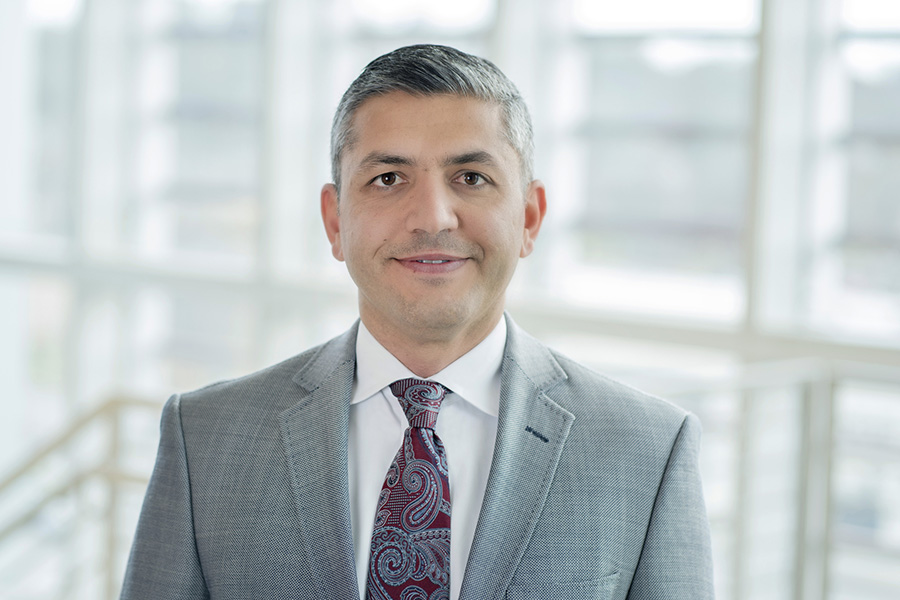
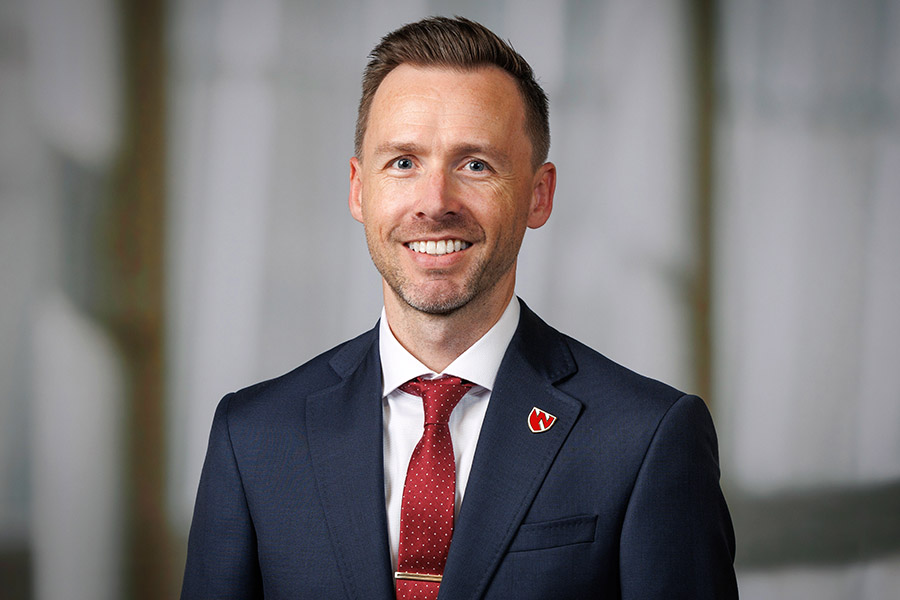
2026 Kaveh Bookani, MD, Division of Cardiovascular Medicine Proposal titled "Coronary CT Angiography and Plaque Quantification in Assessment of Coronary Artery Disease in Patients with Chronic Inflammatory Disease."
|
|
|
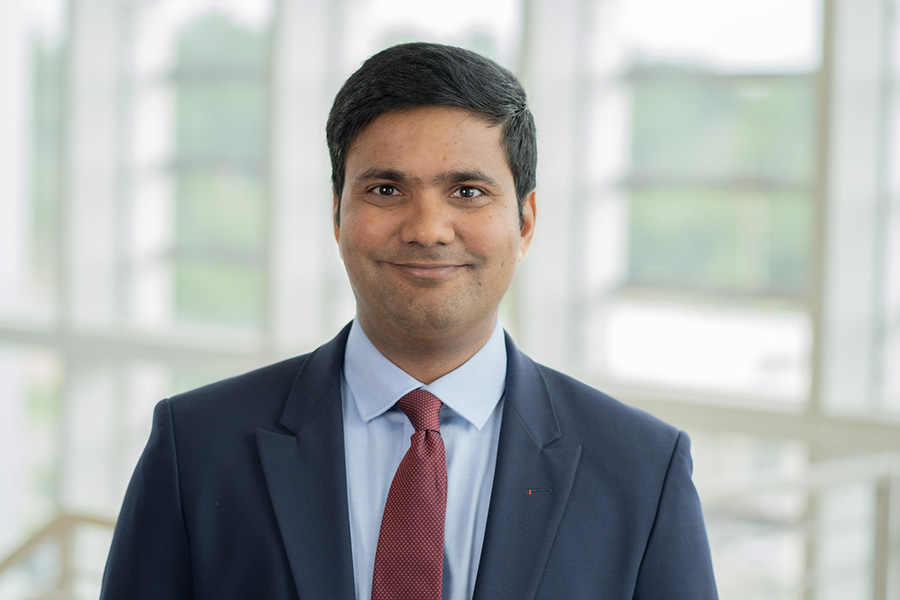
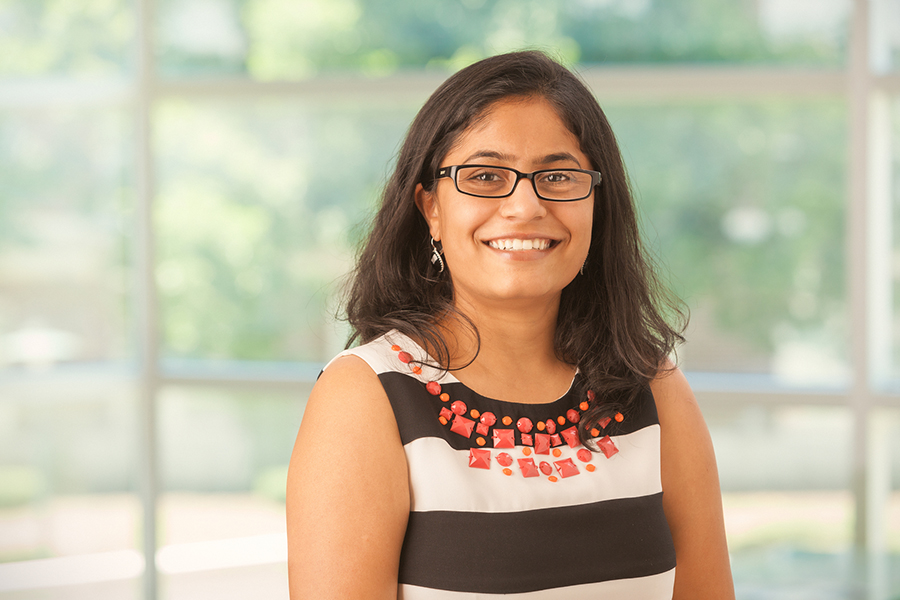
2025 Amarnath R Annapureddy, MBBS, Division of Cardiovascular Medicine Proposal titled "Enhancing Ischemic Heart Disease Evaluation: A Physiology-Driven Strategy for Identifying INOCA." |
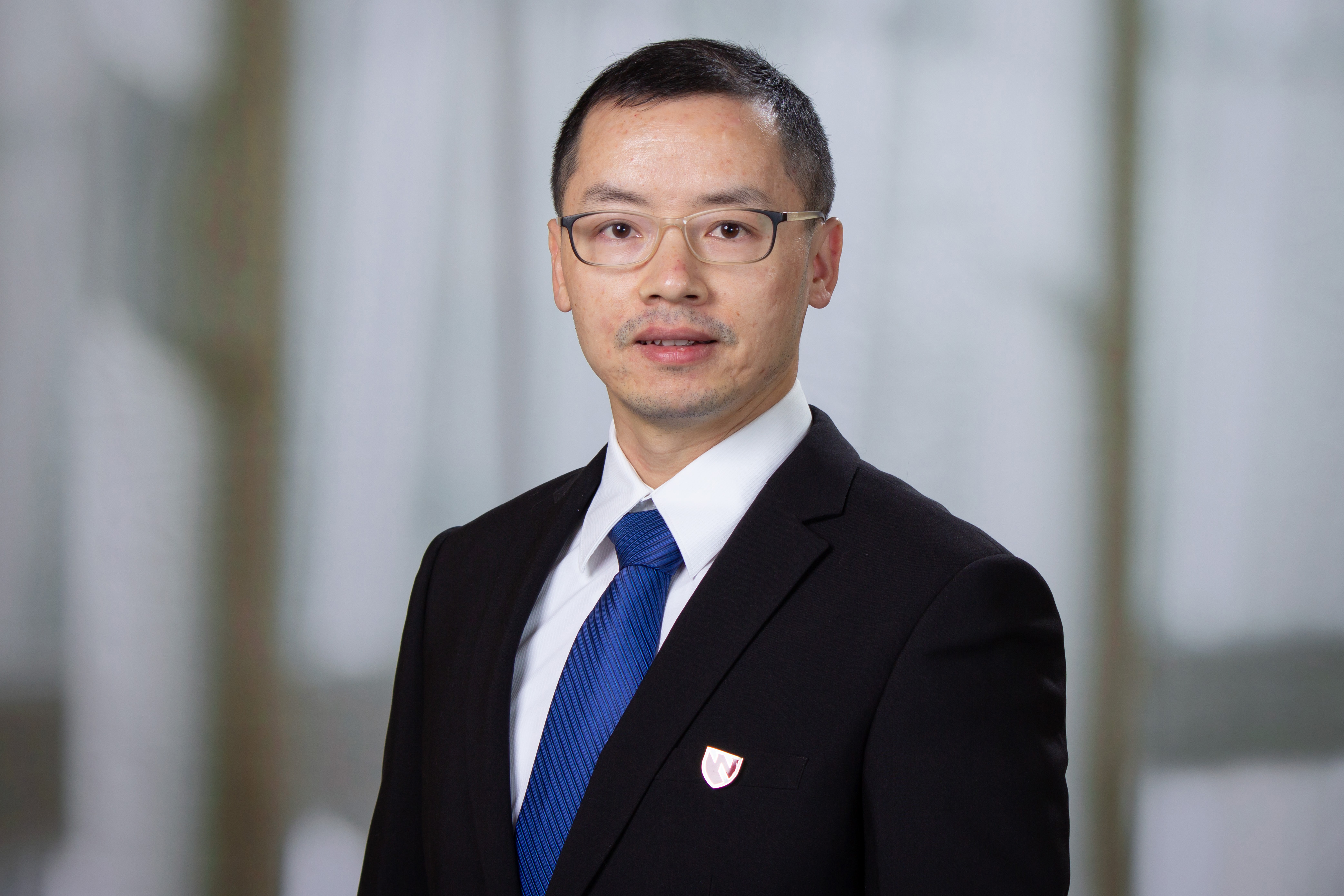 |
2024 Bo Liu, PhD, Division of Cardiovascular Medicine Proposal titled "Multifunctional zwitterionic hydrogels loading S100A9 inhibitor for postoperative abdominal adhesion prevention." |
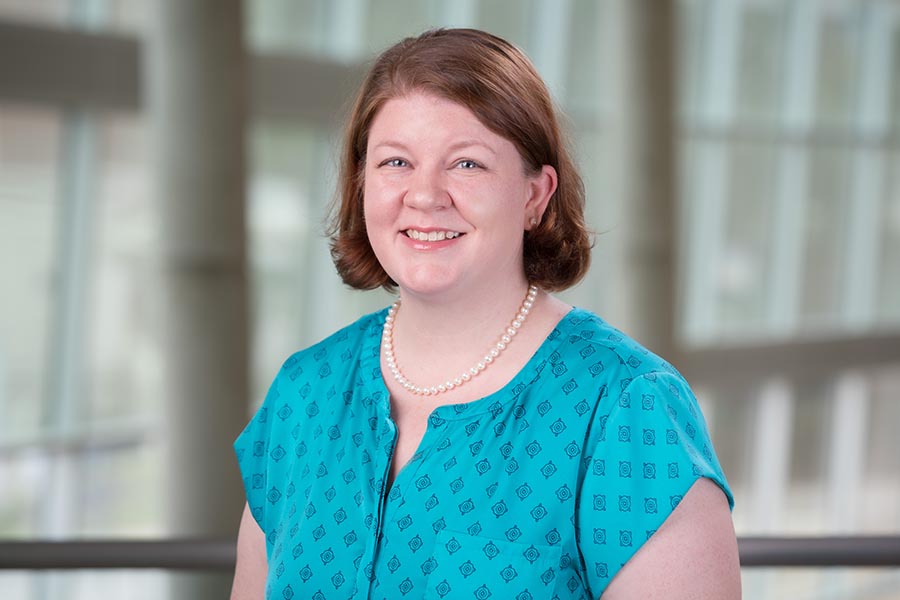 |
2023 Amber Brown Keebler, MD, Division of General Internal Medicine Proposal titled “Impact of Obesity and Depression on Patient Reported Disease Severity and Financial Toxicity in Psoriatic Arthritis.” |
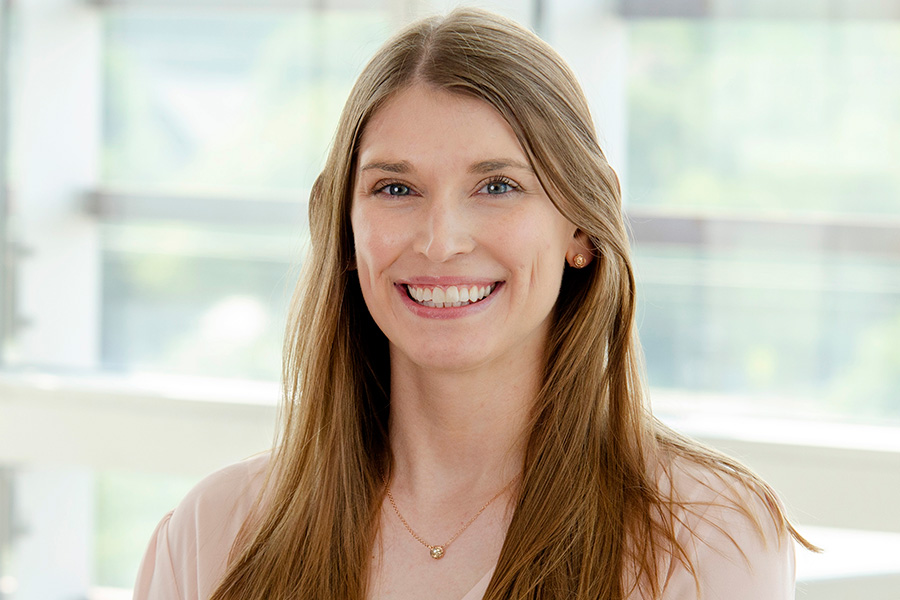 |
2022 Lindsay Helget, MD, Division of Rheumatology and Immunology
|
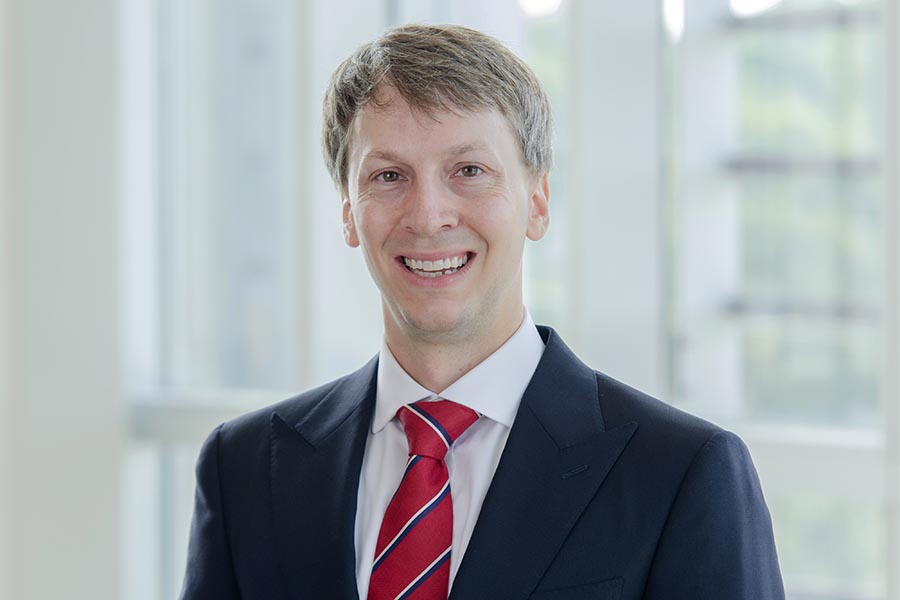 |
2021 Christopher D'Angelo, MD, Division of Hematology & Oncology
|
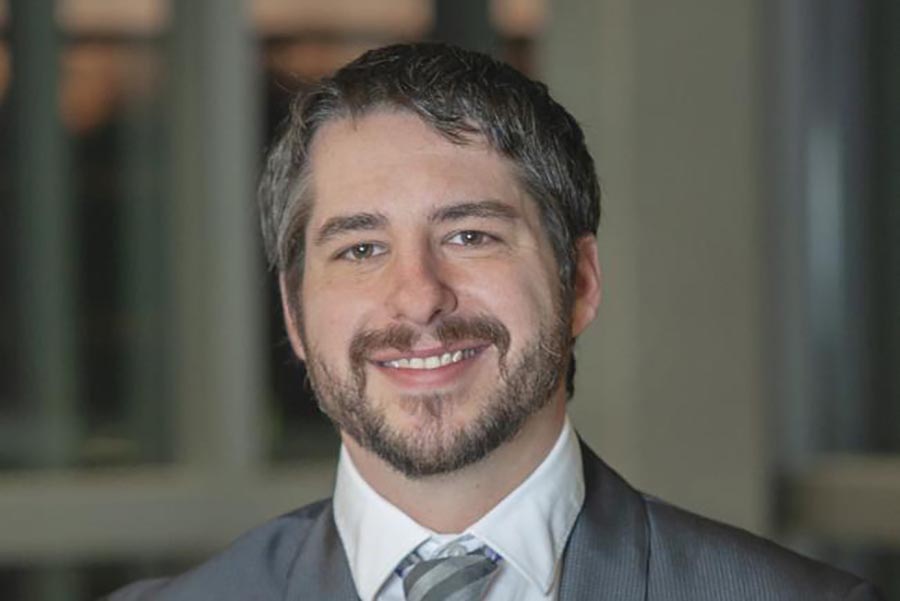 |
2021 Dustin Krutsinger, MD, Division of Pulmonary, Critical Care and Sleep Medicine
|
|
|
2020 Doug Franz, MD, Division of Nephrology
|
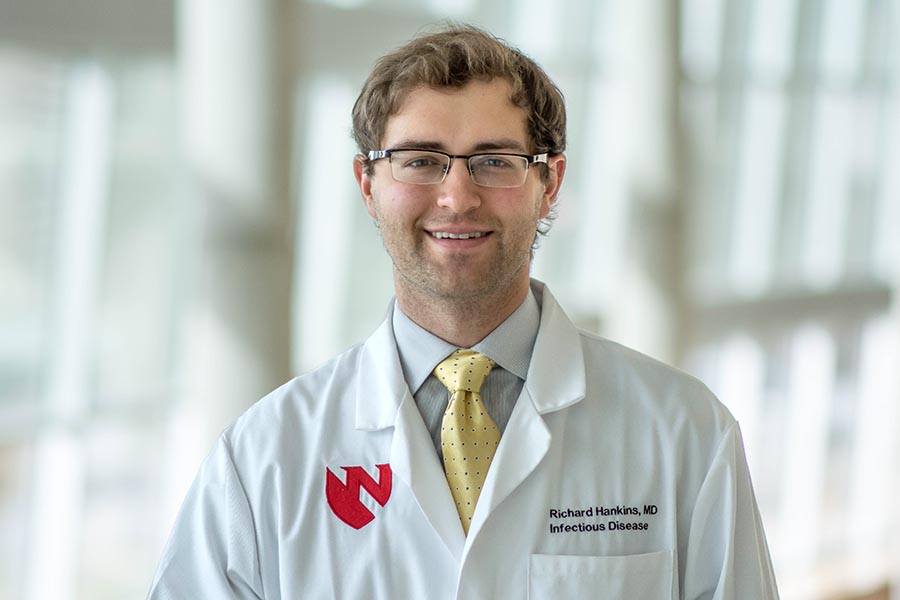 |
2019 Richard Hankins, MD, Division of Infectious Diseases
|
|
|
2018 Paul Thomes, PhD, Division of Gastroenterology & Hepatology
|
|
|
2017 Bryant England, MD, PhD, Division of Rheumatology and Immunology
|
|
|
2016 (Inaugural) Anery Patel, MD, Division of Diabetes, Endocrinology & Metabolism
|