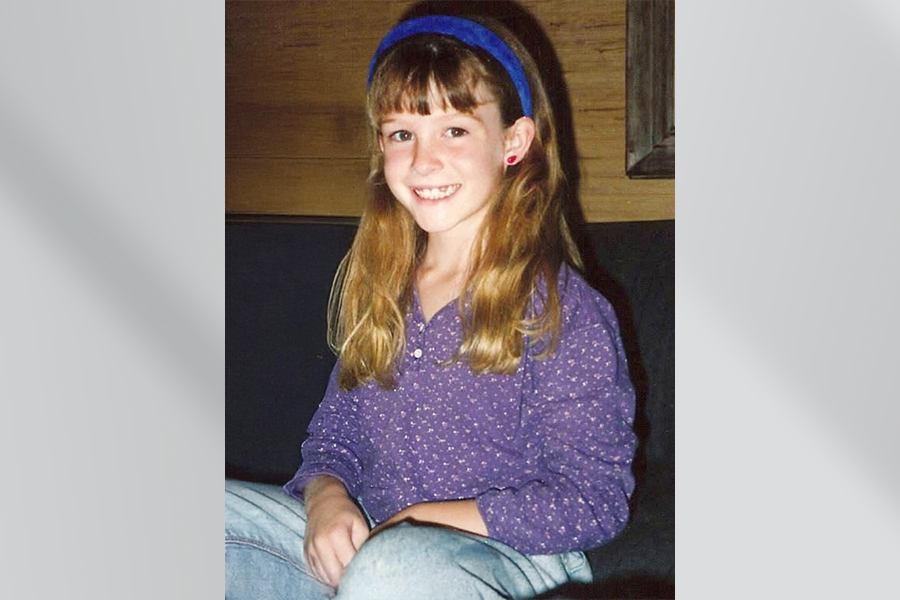
Aidan O’Neil was a child like any other, though perhaps a bit more rambunctious. She could be ornery and spirited, but she was also big-hearted, playing with other children who were left out on the playground.
At 9 years old, Aidan’s life was cut short by Burkitt Lymphoma.
The devastating loss left her parents, Rob and Sara O’Neil of Papillion, with unanswered questions. What was the cause of the rare and aggressive form of cancer that took Aidan’s life and would years later afflict her older brother, Patrick? Could scientists uncover its causes, sparing other children from the ordeal experienced by Aidan, who died in 1992, just 11 months after her diagnosis?
Their search for answers became Aidan’s legacy, leading to the formation of the Aidan O’Neil Foundation for the Prevention of Childhood Cancer. The O’Neils said its mission was to understand the risk factors for childhood cancer.
The foundation received many generous donations from family members, friends and community leaders. Recently, the O’Neils decided to sunset the Aidan O’Neil Foundation and transfer its assets — which had grown to $4.2 million over the past 33 years — to the University of Nebraska Foundation. Nearly all of the gift will support gene and cellular therapy research at UNMC.
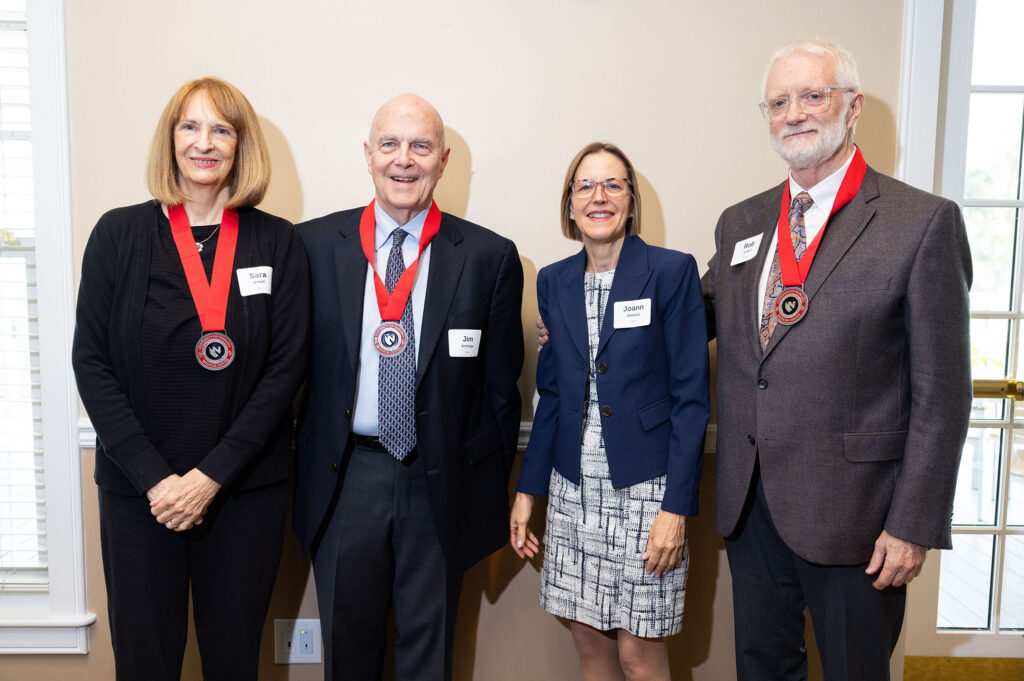
The gift will create two endowed chairs at the Fred & Pamela Buffett Cancer Center — named in honor of the physicians who treated Aidan and Patrick — and establish the Aidan O’Neil Gene and Cellular Therapy Research Fund.
“We’re thrilled to be establishing those endowed chairs, which will be permanent fixtures to attract the best of the best scientists and doctors who are dedicated to understanding causes and developing cures,” Rob O’Neil said.
Support gene and cellular therapy research
Gifts to support the Aidan O’Neil Gene and Cellular Therapy Research Fund can be made through the University of Nebraska Foundation at this foundation link. To learn more, email Erin Dahms, director of development for the University of Nebraska Foundation.
The O’Neils want the gift to lead to a deeper understanding of lymphoma, driving the development of new treatments and cancer prevention research. They also want the gift to support gene and cellular therapy research to improve treatments for other diseases as well.
World-class treatments
That will indeed happen, according to Matthew Lunning, DO, interim chief of the UNMC Division of Hematology and a hematologist/oncologist specializing in CAR T-cell therapy. Since the 2010s, UNMC and Nebraska Medicine have used CAR T-cell therapy to treat patients with lymphoma and leukemia. Now, CAR T-cell therapy is being tested in clinical trials for autoimmune diseases such as lupus, myositis and multiple sclerosis.
Unlike traditional CAR T-cell therapies, which use a patient’s own cells (autologous), new allogeneic therapies use donor T-cells that are genetically modified to target and destroy harmful immune cells that contribute to the autoimmune attack on the patient’s own body.
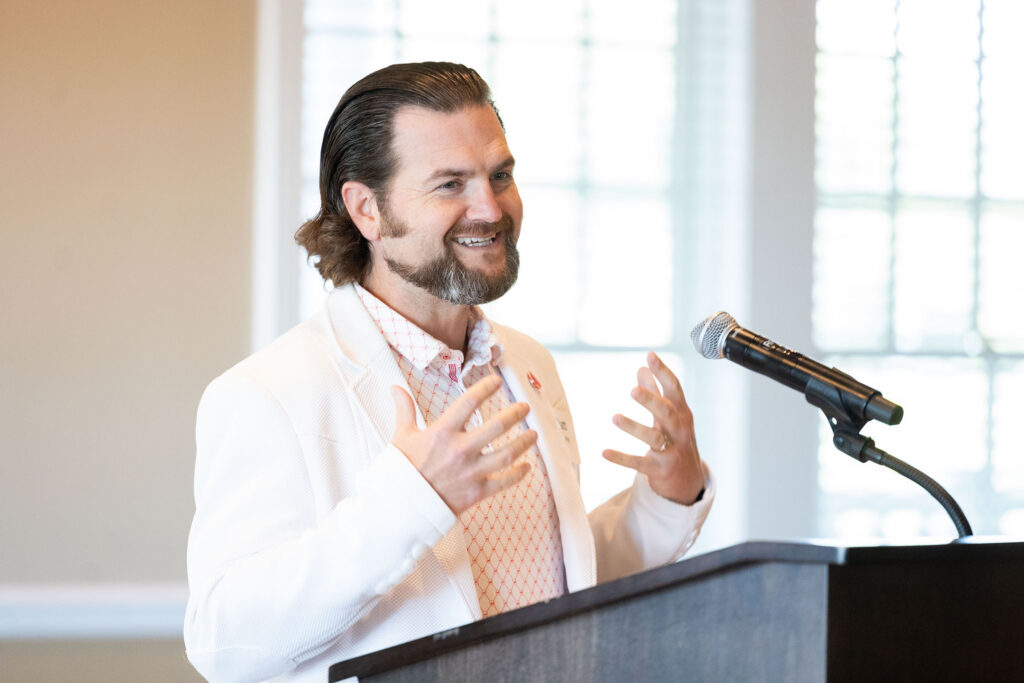
In 2024, UNMC and Nebraska Medicine treated a mother of two with lupus using CAR T-cell therapy, with excellent results, Dr. Lunning said. Last summer, a patient became the first in the world to receive a new allogeneic CAR T-cell therapy for multiple sclerosis.
The infrastructure required to deliver these world-class therapies is substantial, he said, and the O’Neils’ gift will help to expand access.
“As we try to raise up the next generation of CAR T-cell therapy, this investment will help not only bring the research, but it will also bring the support around it that is necessary to ensure that this research is successful,” said Dr. Lunning, who holds the James O. Armitage, MD, Chair of Hematological Malignancies.
UNMC Interim Chancellor H. Dele Davies, MD, expressed gratitude for the gift.
“We are very grateful to the O’Neil family for choosing to honor Aidan’s memory through this exceptional gift that will help reduce the burden of cancer and impact the lives of multiple future generations of children,” Dr. Davies said. “They are helping to write the next chapter in UNMC’s long and proud legacy of advancing cancer research and treating and improving the lives of those who are touched by cancer and other diseases.”
The Fred & Pamela Buffett Cancer Center is Nebraska’s only National Cancer Institute-designated cancer center and one of only 73 in the country.
Honoring three physicians
The O’Neils’ gift is an expression of gratitude for the care received by Aidan and her older brother, Patrick, who was diagnosed with the same rare form of cancer in 2000. Patrick learned he had Burkitt Lymphoma as a senior in college. He recovered, and today he is department chair and a professor of history at Methodist University in Fayetteville, North Carolina. He and his wife, Gina, have a son, Aidan, named after Patrick’s late sister.
Both chairs will be awarded to researchers with expertise in gene and cellular therapy.
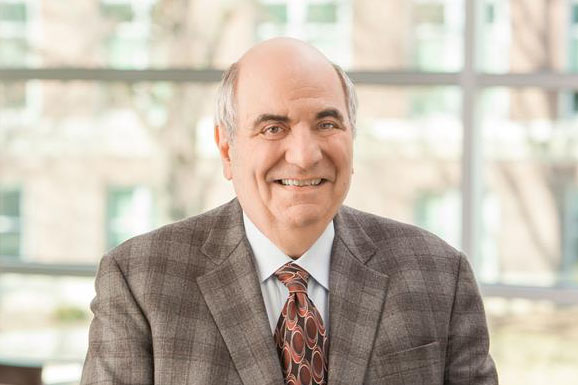
The Aidan O’Neil and Drs. Coccia/Warkentin Distinguished Chair in Gene and Cellular Therapy Research is named for Peter F. Coccia, MD, Emeritus Ittner Professor of Pediatric Hematology/Oncology and vice chair of the pediatrics department, and Phyllis I. Warkentin, MD, professor of pediatrics and pathology/microbiology. In 1987, Drs. Coccia and Warkentin brought a team of physicians to UNMC and developed the pediatric stem cell transplantation program. They were members of Aidan’s care team, and Dr. Coccia served on the Aidan O’Neil Foundation’s board of directors.
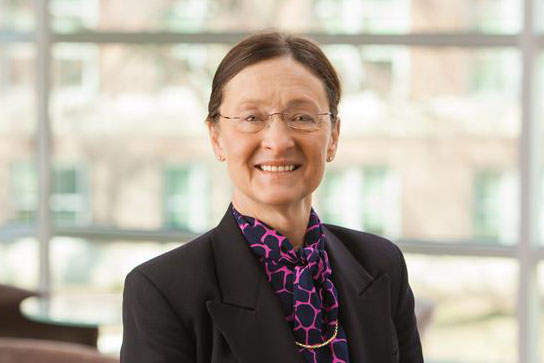
The Aidan O’Neil and Dr. Armitage Distinguished Chair in Gene and Cellular Therapy Research is named for James O. Armitage, MD, who holds the Joe Shapiro Chair for the Study of Oncology and Clinical Research and University of Nebraska Distinguished Cancer Research Professorship. He developed the bone marrow transplantation program at UNMC and in 1982 founded the Nebraska Lymphoma Study Group. Dr. Armitage is considered one of the world’s foremost experts in lymphoma and blood cancers; he was a member of Patrick’s care team.
‘Little fire’
Rob and Sara O’Neil say they decided to invest in UNMC’s research given the family’s long-standing relationship and trust in the institution.
“We couldn’t imagine giving it to anyone else,” Sara O’Neil said. “UNMC supported us like crazy.”
Rob O’Neil said he hopes the gift from the Aidan O’Neil Foundation will be a “happy new beginning.”
“We thank you, UNMC doctors and scientists, for what you will accomplish in the future,” he said.
The couple says Aidan’s memory lives on in her three siblings, Patrick, Elise and David, and the couple’s four grandchildren.
“I wish you could have known Aidan,” Rob O’Neil said. “She was remarkable. The name Aidan means ‘little fire,’ and that says it all. She was a spunky, challenging, difficult and delightful child.”
What an incredible gift by Sara and Rob, and a powerful tribute to Aidan’s memory. It will be a fire which burns bright against the scourge of lymphoma and brings light to families going through what they experienced. Bravo!!