Clinical trials are essential in advancing cancer care. Progress in new treatments, improved survival rates, and better standards of care depend on patients who choose to participate, and the research and care teams who design, conduct, and support these studies.
“Behind each clinical trial is a team effort between scientists, doctors, the study team, and the participants who step forward with courage. These are people who know their involvement can help shape the future of care for others,” said Dr. Kathleen Moore, deputy director and director of Phase 1 oncology trials at the Fred & Pamela Buffett Cancer Center.
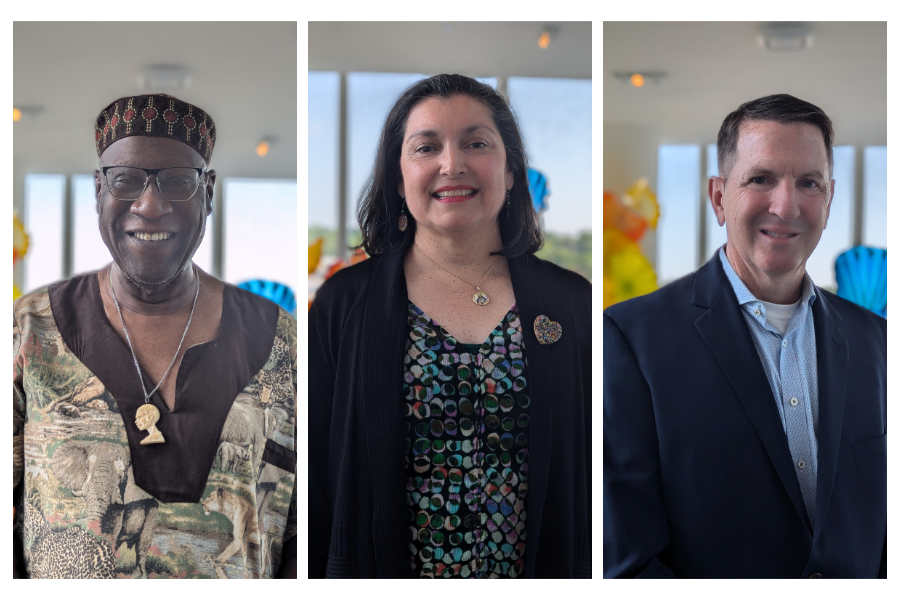
For many patients, joining a clinical trial is a personal decision that also comes from a sense of purpose. Colon cancer survivor A’Jamal-Rashad Byndon shared, “My decision to participate was based on several things: honest and open talks with my doctor and thinking about how I could make a difference for the next generation, especially in underserved communities.”
“Equally important is the role of care providers, whose guidance, transparency, and commitment help make these decisions possible. By clearly explaining options, answering questions, and building trust, the care team creates an environment where patients feel informed, supported, and confident in considering clinical research as part of their care journey,” said Susan Blumel, RN, BSN, manager of the Clinical Trials Office at the Fred & Pamela Buffett Cancer Center.
For brain cancer survivor John Noel, support from his care team made a big difference. “Clear explanations and patient guidance made the process easy to understand and gave my wife and me confidence in participating.” Clinical trials can seem complicated, but when patients get clear and caring information, they feel empowered to make informed choices about their care.
Taking part in clinical research often means more than just a personal journey. As John said, “Being part of the trial gave me the opportunity to contribute to discovering another treatment for my own cancer and advancing treatment for anyone facing this disease. It was an opportunity too meaningful to pass up.”
For Indira Engel, who faced triple-negative breast cancer, joining a clinical trial meant trying every possible option and finding comfort in the care she received. “I participated in a clinical trial because I wanted to do everything in my power to increase my chance of survival… I felt comforted by the extra layer of care, with regular check-ups from my healthcare team,” said Ms. Engel. “That sense of comfort is often an underrecognized aspect of clinical trials, including the role of the care team, the study team, and your physician.”
Breast cancer surgeon Dr. Juan Santamaria said, “In addition to advancing research, study teams and care teams give patients close monitoring, frequent check-ins, and a level of attention that can feel more personal and ongoing. This extra support helps patients feel seen, heard and cared for during their treatment”. Dr. Santamaria is the assistant director for Clinical Integration, Community Outreach, and Engagement at the Cancer Center.
As we celebrate International Clinical Trials Day, these stories show that advancing cancer research is a shared effort. It is powered by the courage of patients, the dedication of care teams, and the commitment of researchers. Together, these efforts create progress and help shape the future of cancer care for generations to come.