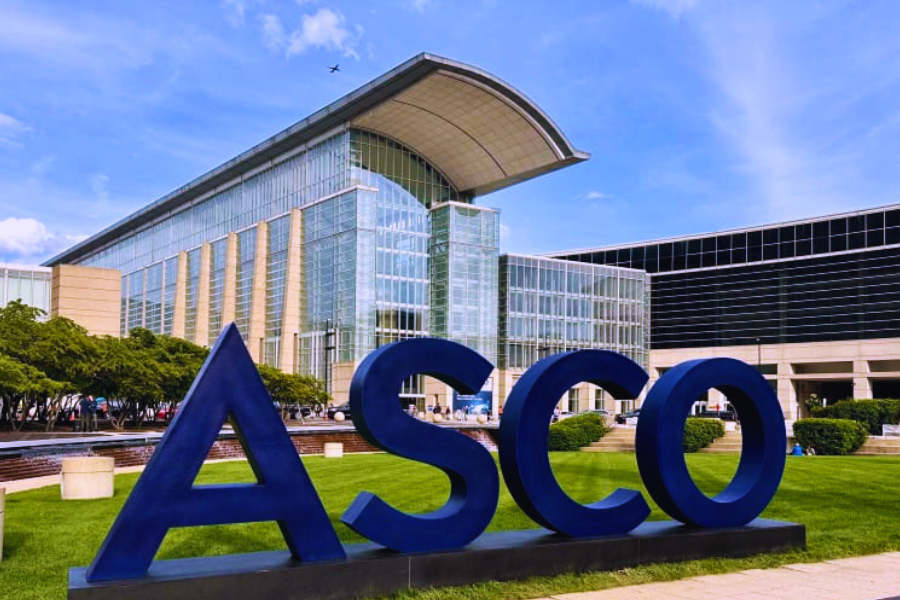
Physicians and Scientists from the UNMC | Fred & Pamela Buffett Cancer Center will present their research and lead key sessions at the American Society of Clinical Oncology Annual Meeting in Chicago, May 29–June 2.
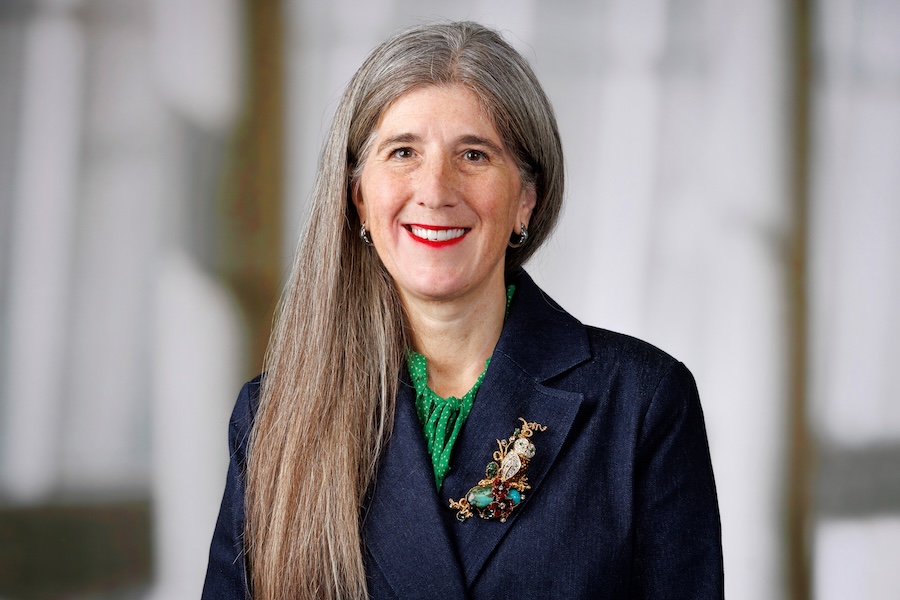
Kathleen Moore, MD
ASCO Board Treasurer
“I think we’re going to come out smarter and ready to update our treatment paradigms for our patients here in Nebraska,” Dr. Moore said.
Dr. Moore, Deputy Director and Director of Phase 1 Clinical Trials at the cancer center, attends this year’s meeting as both a gynecologic oncologist and ASCO Board Treasurer. She is watching for new data on antibody-drug conjugates across cervical, uterine, and ovarian cancers, and several broader studies of note for Nebraska patients: highly anticipated Phase 3 data for daraxonrasib in previously treated metastatic pancreatic cancer, results from a RET fusion lung cancer study, and data on abemaciclib in recurrent liposarcoma.
Featured Presenters

Apar Kishor Ganti, MD, MS, FASCO
Lung Cancer—Non-Small Cell Local-Regional/Small Cell/Other Thoracic Cancers
Sunday, May 31 | 9 AM–12 PM | Hall A | Poster 567, Abstract 8093
“Comparison of real-world overall survival between atezolizumab- and durvalumab-containing first-line induction and maintenance regimens in extensive-stage small cell lung cancer“
Dr. Ganti will present the first head-to-head real-world comparison of two immunotherapy agents, atezolizumab and durvalumab, in extensive-stage small cell lung cancer. Drawing upon data from more than 2,000 patients in a national database, the analysis found that the two agents produced comparable survival outcomes, supporting their use as equivalent options in this setting.
“Both of these agents have been studied individually and have been approved for the treatment of patients with extensive-stage small cell lung cancer, but this, to our knowledge, is the first time that they have been compared head-to-head,” Dr. Ganti said.

Tanya Wildes, MD, MSCI, FASCO
Hematologic Malignancies—Plasma Cell Dyscrasia
Monday, June 1 | 9 AM–12 PM | Hall A | Poster 407, Abstract 7528
“Iberdomide (Iber) maintenance following upfront autologous stem cell transplant (ASCT) in multiple myeloma (MM)“
Dr. Wildes will present a Phase II trial poster evaluating iberdomide as maintenance therapy following stem cell transplant in multiple myeloma. The trial met its primary endpoint, with most patients remaining progression-free and on treatment at one year, and deep MRD-negative response rates of 85% at 12 cycles and 100% at 24 cycles. Neutropenia was the primary treatment challenge, and the authors suggest that adjusted dosing strategies may allow more patients to remain on therapy.
“Iberdomide represents a novel therapy in the post-transplant maintenance setting and likely will become a standard of care in the future, pending phase three studies which are underway” Dr. Holstein said.
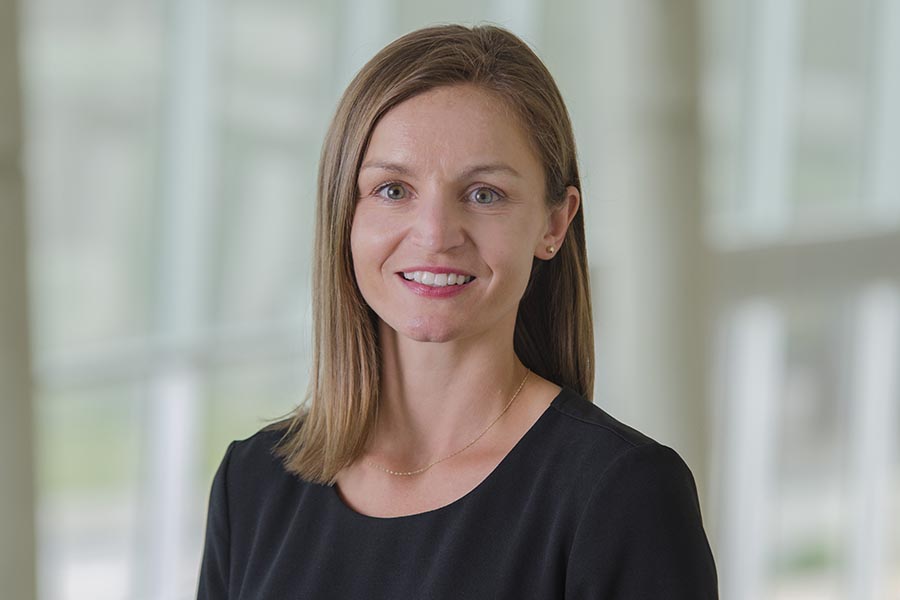
Kelsey Klute, MD
Highlights in Upper GI, Hepatobiliary, and Pancreas Cancers
Tuesday, June 2 | 8–8:15 AM | Hall D1
Dr. Klute will lead a Highlights of the Day session synthesizing the top findings from the GI, hepatobiliary, and pancreatic cancer tracks. She is particularly focused on data from the RASolute 302 trial of daraxonrasib, which is expected to demonstrate practice-changing survival benefits over chemotherapy for patients with previously treated metastatic pancreatic cancer.
“It is exciting to get to hear the data, bring it home, and get to really put that data to work in clinic with patients every day,” Dr. Klute said.
ASCO Awards
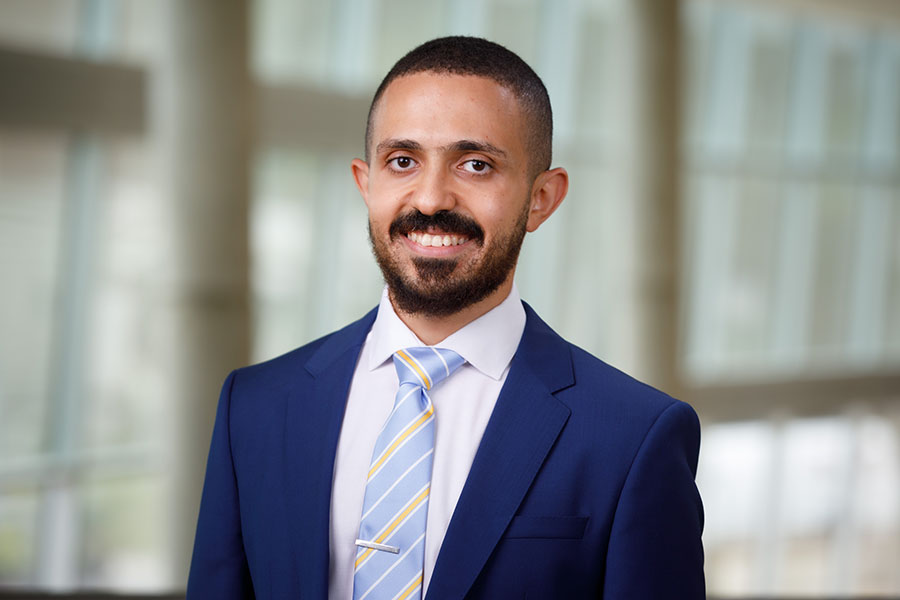
Moataz Ellithi, MBChB
Dr. Ellithi, Assistant Professor in the Division of Hematology at UNMC, has been named a 2026 recipient of an ASCO Conquer Cancer Career Development Award. Dr. Ellithi specializes in blood cancers and bone marrow transplant, with a research focus on long-term transplant outcomes and cellular therapies in older adults.
eAbstracts
Omar Abughanimeh, MBBS
eAbstract only | Abstract e23340
“Impact of baseline performance status on survival and toxicity with ipilimumab plus nivolumab: A 10-year institutional experience across solid tumors“
A 10-year analysis found that patients in poorer overall health at the start of dual immunotherapy treatment had significantly worse outcomes than healthier patients, underscoring the value of personalized treatment selection.
Abram Arnold, DO
eAbstract only | Abstract e16467
“Single center retrospective analysis of neoadjuvant therapy in resectable pancreatic adenocarcinoma“
This study looked at whether giving chemotherapy before surgery, rather than after, improves outcomes for patients with surgically removable pancreatic cancer. In 119 patients treated over 10 years, survival was similar either way, contributing to an ongoing conversation in the field about the best treatment sequence.
Laura Flores, MD, PhD
eAbstract only | Abstract e13500
“National practice patterns of adjuvant breast hypofractionated radiation therapy completion in early-stage breast cancer“
An analysis of more than 34,000 women with early-stage breast cancer found a significant shift toward shorter radiation treatment courses between 2018 and 2022, with one-week regimens becoming increasingly common, particularly among older patients and those who travel farther for care.
Yinting Liu, Graduate Research Assistant, COPH, Biostatistics
eAbstract only | Abstract e20119
“Impact of treatment sequence of immunotherapy and stereotactic radiotherapy on survival in non-small cell lung cancer patients with brain and bone metastases: An NCDB data analysis“
In a study of more than 3,100 patients with metastatic lung cancer, researchers found that the best order for combining immunotherapy and targeted radiation depends on where in the body the cancer has spread.
Multicenter Projects
UNMC | Fred & Pamela Buffett Cancer Center researchers are collaborators on the following projects that will be presented at ASCO.
Co-author: Kathleen N. Moore, MD
- “HPV-stratified tissue factor expression and multi-omic correlates of overall survival after tisotumab vedotin in cervical cancer.” Presented by: Shaina Bruce, MD, Penn State Health
Poster Session: Gynecologic Cancer
Monday, June 1 | 9 AM–12 PM CDT | Hall A | Poster 203, Abstract 5537
Among 274 cervical cancer patients treated with the ADC tisotumab vedotin, high tissue factor expression was associated with improved survival in HPV-negative disease but not in the overall or HPV-positive populations. The findings support HPV-stratified biomarker analyses in future trials of tisotumab vedotin and related ADCs.
- “Antibody-drug conjugate (ADC) biomarker targets in endometrial cancer: Molecular characterization and implications for therapeutic decision-making.” Presented by: Britt Erickson, MD, University of Minnesota, Masonic Cancer Center
Poster Session: Gynecologic Cancer
Monday, June 1 | 9 AM–12 PM CDT | Hall A | Poster 282, Abstract 5616
Analysis of more than 13,700 endometrial cancer samples found that expression of antibody-drug conjugate targets varies substantially by molecular subtype, with TP53-mutated tumors showing the highest expression of several emerging targets. The authors suggest that enrolling molecularly defined patient subsets with high target expression will be key to efficiently developing ADC-based therapies in this disease.
- “REJOICE-Ovarian01: Phase 3 part of a phase 2/3 study evaluating raludotatug deruxtecan (R-DXd) versus treatment of physician’s choice in patients with platinum-resistant ovarian cancer.” Presented by: Debra Richardson, MD, FACS, FACOG, Stephenson Cancer Center
Poster Session: Gynecologic Cancer
Monday, June 1 | 9 AM–12 PM CDT | Hall A | Poster 298b, Abstract TPS5637
This abstract describes the Phase 3 design of REJOICE-Ovarian01, a global randomized trial comparing raludotatug deruxtecan — a CDH6-targeting ADC — to physician’s choice of chemotherapy in approximately 600 patients with platinum-resistant ovarian cancer. Enrollment began in December 2025, with progression-free survival as the primary endpoint.
- “Fern-EC-01 (BNT323-01): A phase 3 trial of trastuzumab pamirtecan (HER2 ADC) versus investigator’s choice of chemotherapy in patients with previously treated, HER2-expressing, recurrent endometrial cancer.” Presented by: Floor Backes, MD, Ohio State University Wexner Medical Center
Poster Session: Gynecologic Cancer
Monday, June 1 | 9 AM–12 PM CDT | Hall A | Poster 302b, Abstract TPS5645
Fern-EC-01 is an ongoing Phase 3 trial evaluating trastuzumab pamirtecan, an investigational HER2-targeting ADC, against investigator’s choice of chemotherapy in patients with previously treated, HER2-expressing recurrent endometrial cancer. The trial enrolls two cohorts stratified by HER2 expression level, with progression-free survival and objective response rate as primary endpoints.
Co-author: Matthew A. Lunning, DO, FACP
- “Real-world outcomes of lisocabtagene maraleucel (liso-cel) in patients with relapsed or refractory chronic lymphocytic leukemia: First results from CIBMTR.” Presented by: Emily Tomasulo, DO, FACP, University of Pennsylvania
Poster Session: Hematologic Malignancies—Lymphoma and CLL
Monday, June 1 | 9 AM–12 PM CDT | Hall A | Poster 522, Abstract 7024
In the first real-world report of liso-cel in relapsed/refractory CLL, 45 patients treated in routine practice achieved an overall response rate of 84% and a complete response rate of 55% at six months, exceeding rates seen in clinical trials. Results support liso-cel as an effective option for heavily pretreated patients, with potential for outpatient administration.
- “Long-term real-world outcomes of axicabtagene ciloleucel (axi-cel) in relapsed/refractory large B-cell lymphoma.” Presented by: Caron Jacobson, MD, MMSc, Dana-Farber Cancer Institute
Poster Session: Hematologic Malignancies—Lymphoma and CLL
Monday, June 1 | 9 AM–12 PM CDT | Hall A | Poster 526, Abstract 7028
A CIBMTR analysis of 1,446 patients with relapsed/refractory large B-cell lymphoma treated with axi-cel in routine practice showed five-year progression-free and overall survival rates of 30% and 38%, respectively. These long-term real-world outcomes are consistent with the pivotal ZUMA-1 trial, continuing to support CAR T-cell therapy with curative intent.
- “Longitudinal safety of lisocabtagene maraleucel (liso-cel) in patients with second-line or later large B-cell lymphoma.” Presented by: Manali Kamdar, MD, University of Colorado Cancer Center
Poster Session: Hematologic Malignancies—Lymphoma and CLL
Monday, June 1 | 9 AM–12 PM CDT | Hall A | Poster 529, Abstract 7031
Pooled safety data from three pivotal liso-cel trials in 420 patients showed that severe cytopenias and need for supportive medications decreased substantially after the first three months of treatment. Despite persistent hypogammaglobulinemia and B-cell aplasia at 12 months, rates of serious infection remained low throughout follow-up, supporting the feasibility of outpatient management.
- “Efficacy and tolerability of duvelisib in relapsed/refractory peripheral T-cell lymphoma: A multicenter real-world analysis.” Presented by: Priyanka Pullarkat, MD, Washington University School of Medicine
Poster Session: Hematologic Malignancies—Lymphoma and CLL
Monday, June 1 | 9 AM–12 PM CDT | Hall A | Poster 565, Abstract 7067
A retrospective, 12-center analysis of 207 patients with relapsed/refractory peripheral T-cell lymphoma treated with duvelisib-based regimens found an overall response rate of 51% and a median overall survival of 12 months, consistent with clinical trial data. Treatment was generally well tolerated, supporting duvelisib as a viable option in this difficult-to-treat disease.
Co-author: Laura Tenner, MD, MPH
- “Tucatinib plus subcutaneous trastuzumab in patients with solid tumors with ERBB2 alterations: Results from the TAPUR study.”Presented by: Tareq Al Baghdadi, MD, Michigan Cancer Research Consortium
Poster Session: Developmental Therapeutics—Molecularly Targeted Agents and Tumor Biology
Saturday, May 30 | 1:30–4:30 PM CDT | Hall A | Poster 241, Abstract 3104
A phase II basket study of tucatinib plus subcutaneous trastuzumab in 78 patients with advanced, ERBB2-altered solid tumors across 21 histologies achieved a disease control rate of 33%, rejecting the predefined null hypothesis. Results support further investigation of this combination in genomically selected patients.
- “Leronlimab in combination with trifluridine/tipiracil (TAS-102) plus bevacizumab for patients with refractory metastatic colorectal cancer: The phase 2 CLOVER study.” First author: Pashtoon Kasi, MD, City of Hope Comprehensive Cancer Center
eAbstract only | Abstract e15525
The Phase 2 CLOVER trial is evaluating leronlimab, a CCR5-targeting antibody, combined with trifluridine/tipiracil plus bevacizumab in patients with refractory, CCR5-positive metastatic colorectal cancer. Early results in 23 patients showed stable disease in all evaluable patients, no dose-limiting toxicities, and early ctDNA declines, with enrollment ongoing.
Co-author: Julie Vose, MD, MBA
- “Support of academic non-clinical efforts for cancer investigator faculty at Association of American Cancer Institutes.” Presented by: Paula Fracasso, MD, PhD, FACP, VCU Massey Comprehensive Cancer Center
Rapid Oral Abstract Session: Medical Education and Professional Development
Friday, May 29 | 2:45–4:15 PM CDT | Room E450b | Abstract 9005
A 2024 national survey of 60 academic cancer centers found wide variation in protected research time for clinical investigator and physician-scientist faculty, with most centers requiring external funding to sustain it. Incentive structures were predominantly productivity-based rather than research- or mentoring-oriented, underscoring systemic gaps that threaten the clinician-scientist career pathway.
Co-author: Apar Kishor Ganti, MD, MS, FASCO
- “A randomized phase III trial of chemo-immunotherapy vs immunotherapy alone for the vulnerable older adult with advanced non-small cell lung cancer: The ACHIEVE study (ECOG-ACRIN EA5221).” Presented by: Megan Baumgart, MD, University of Rochester
Poster Session: Lung Cancer—Non-Small Cell Metastatic
Sunday, May 31 | 9 AM–12 PM CDT | Hall A | Poster 456b, Abstract TPS8674
The ACHIEVE study is an ongoing Phase 3 trial randomizing adults aged 70 and older with metastatic NSCLC and PD-L1 expression of 1–49% to pembrolizumab alone versus pembrolizumab plus chemotherapy, incorporating a baseline geriatric assessment to inform treatment decisions. The trial is designed to address the underrepresentation of older adults in immunotherapy studies, with overall survival as the primary endpoint.
Co-author: Chi L. Lin, MD, PhD, MS
- “Safety and feasibility of cabozantinib (CABO) in combination with cisplatin, doxorubicin, and high-dose methotrexate (MAP) in patients with newly diagnosed high-risk osteosarcoma.” Presented by: Michael Bishop, MD, Arkansas Children’s Hospital
Poster Session: Pediatric Oncology
Monday, June 1 | 1:30–4:30 PM CDT | Hall A | Poster 281, Abstract 10030
A feasibility cohort study of cabozantinib combined with standard MAP chemotherapy in 10 patients with newly diagnosed metastatic high-grade osteosarcoma found the combination tolerable, with no protocol-specified dose-limiting toxicities. A cabozantinib dose of 35 mg/m² was established for further evaluation in an ongoing Phase II/III randomized trial.
Co-author: Omar Abughanimeh, MBBS
- “Incidence trends and factors affecting survival in thymic carcinoma: Insights from SEER data.” First author: Sree Manasa Puttamreddy, MD, UAB Montgomery
eAbstract only | Abstract e20169
A SEER analysis of 7,309 patients diagnosed with thymic carcinoma from 2000 to 2022 — the largest study of this rare malignancy to date — found rising incidence alongside improving survival over the study period. Surgery and radiation were associated with better overall survival, while older age and unmarried status were associated with worse outcomes; chemotherapy receipt was not associated with a survival benefit.
Co-author: Yinting Liu, Graduate Research Assistant, COPH, Biostatistics
- “Real-world chemotherapy decision pathways and survival in early HR+/HER2- breast cancer: Oncotype DX recurrence score-guided versus clinician-guided treatment in NCDB (2010–2022).” First author: Xinhao Han,Harbin Medical University Cancer Hospital
eAbstract only | Abstract e12754
Among nearly 60,000 women in the National Cancer Database who received adjuvant chemotherapy for early-stage HR+/HER2- breast cancer, genomic testing-guided treatment selection was associated with better overall survival than decisions based on clinicopathologic features alone. The benefit was most pronounced in patients over 55 and Black patients, pointing to potential equity implications of genomic testing access.
- “Immunotherapy and the sequence relative to survival outcomes in SCLC: Analysis of the National Cancer Database.” First author: Dan Yao, Wenzhou Medical University
eAbstract only | Abstract e20123
A population-based NCDB analysis of nearly 70,000 patients with small cell lung cancer found that adding immunotherapy to chemotherapy or chemoradiotherapy modestly improved survival in extensive-stage disease. Among patients receiving chemoradiotherapy, initiating immunotherapy within 4–7 days of radiation completion was associated with the greatest benefit, suggesting treatment timing may be an important variable.