Teams from the UNMC College of Public Health, West Central District Health Department, Two Rivers Public Health Department and Southwest Nebraska Public Health Department will be in central and western Nebraska from June 22-26 to conduct a Rapid Needs Assessment of communities affected by the 2026 Nebraska wildfires.
This effort will help officials understand how the recent wildfires impacted residents’ health, daily life, environmental conditions and recovery efforts. Information gathered through surveys and community engagement will inform future disaster preparedness planning, response and recovery efforts across Arthur, Dawson, Frontier, Gosper, Keith, Lincoln, Phelps and Thomas counties.
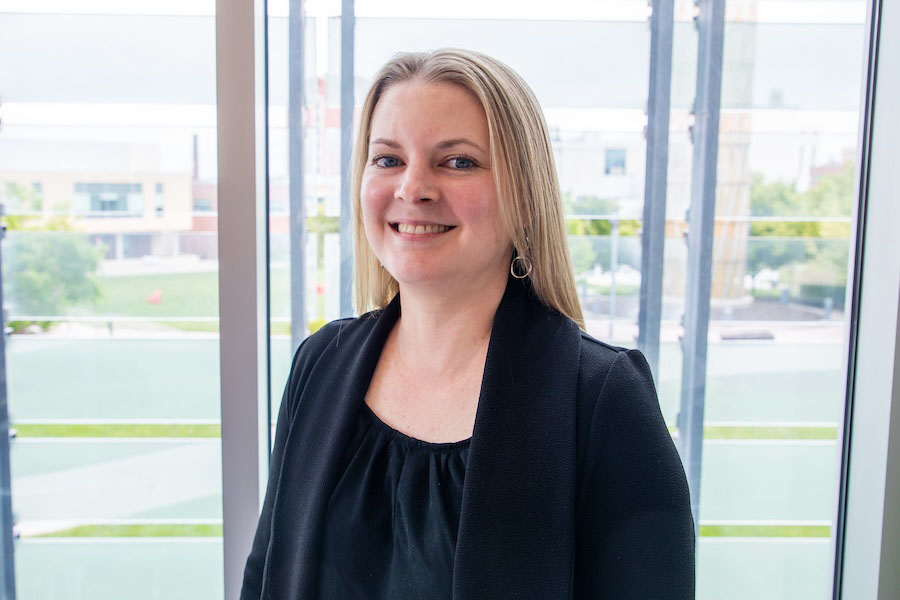
“We know that wildfires affect communities in ways that go far beyond the immediate flames,” said Kristina Kintziger, PhD, Claire M. Hubbard Professor of Health and Environment at the UNMC College of Public Health. “Through this assessment, we want to hear directly from residents about their experiences, challenges, and ongoing recovery needs so future preparedness and response efforts can better support Nebraska communities.”
The RNA follows a proven public health approach that helps communities quickly identify needs following disasters. Information gathered from residents will provide local and state leaders with valuable data to guide recovery efforts and strengthen preparedness for future wildfire events.
“Community members are the experts on their own experiences,” Dr. Kintziger said. “The most important part of this project is listening. Every conversation helps us better understand the impacts these wildfires have had on individuals, families and communities.”
Volunteers from local health department staff, UNMC and other community volunteers will conduct door-to-door surveys and outreach activities in wildfire-affected areas. The surveyors will collect information about health impacts, disruptions to daily life, environmental concerns, access to resources and recovery needs.
“By partnering with local communities, we can ensure recovery efforts are informed by the people most affected,” Dr. Kintziger said. “What we learn through this assessment will help communities prepare for future disasters and build resilience for years to come.”