Editor’s note: As of June 23, the library (levels 6, 7 and 8 in Wittson Hall) currently is closed, and information, including scheduling of the exhibits, will be updated as the building reopens.
A new exhibition at the Leon S. McGoogan Health Sciences Library is celebrating the 250th anniversary of the signing of the Declaration of Independence.
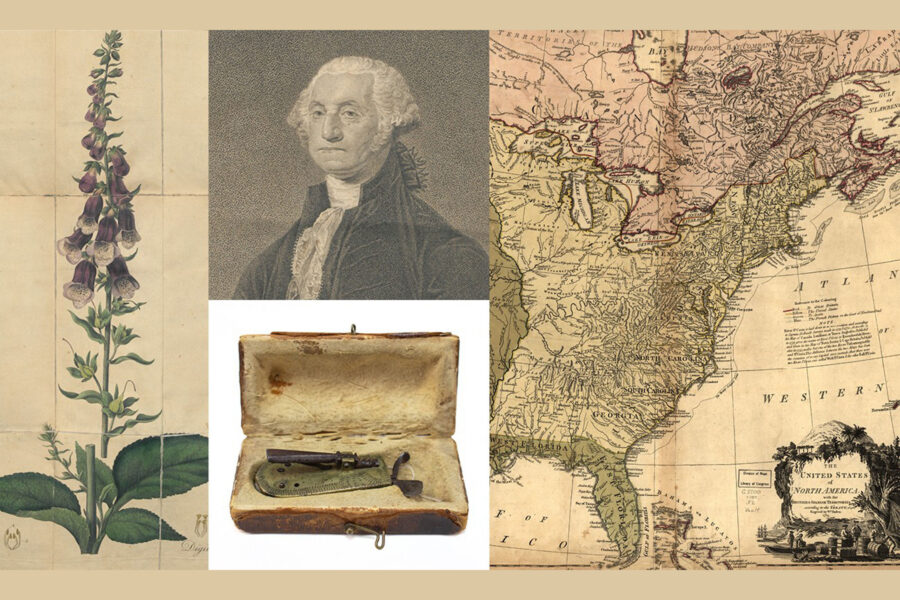
“From Colony to Country: Medicine in America’s Founding Era” will examine different topics related to health, illness and healthcare during the colonial period, the Revolutionary War and the early American republic.
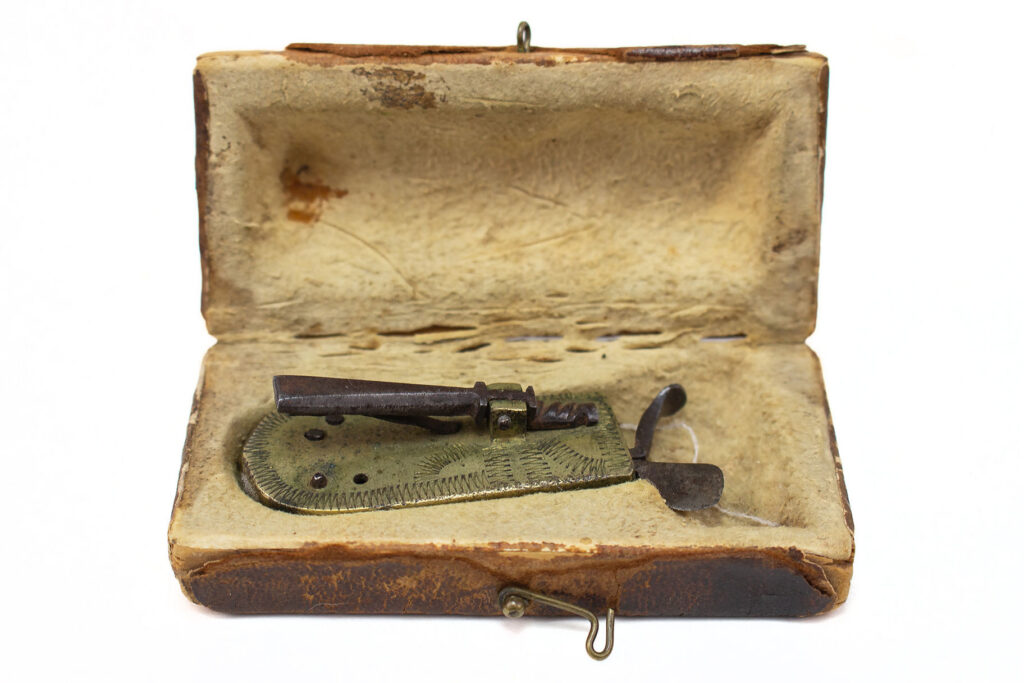
Visitors to the exhibit can discover how “heroic” medical practices dominated the era, characterized by harsh, often poisonous medications and a reliance of bloodletting.
The exhibit also explores the health difficulties of the colonies’ last monarch, King George III, and the country’s first president, George Washington.
The exhibit, located on level 8 of the library, will rotate every two months, highlighting different topics through rare books and artifacts.
June 22-Aug. 24
Learn about early American apothecary practices. Americans adapted to the North American environment and used the plants available to treat illness. View botanical books and medicinal recipes and artifacts such as apothecary scales.
Aug. 24-Oct. 26
Because of the geographic distances and lack of trained providers, domestic medicine or the treatment of illnesses and injuries at home, midwifery and pediatrics were routinely managed by women. Visit the exhibit to view an 18th century, handwritten home remedy book and infant feeder.
Oct. 26- Jan. 11, 2027
Examine military medicine, the knowledge and tools to treat injuries and illnesses common in soldiers and sailors. The exhibit rotation features rare books and surgical instruments.
Jan. 11- March 8
British medical knowledge and practices greatly influenced American medicine. Learn about how British medical education, training and book printing shaped American healthcare.
March 8-May 10
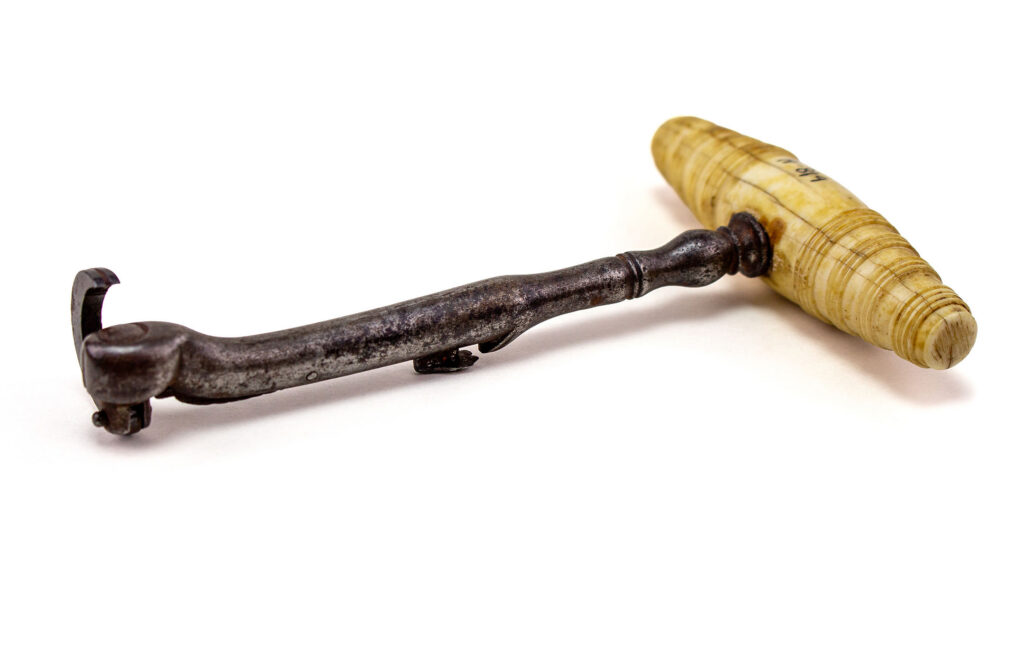
“Heroic” medicine was the dominant theory in the 18th and early 19th century. Discover how physicians carried out this often-dangerous practice through bloodletting and powerful medications. This rotation includes rare books and bloodletting artifacts.
May 10- July 12
Infectious disease greatly affected everyday life in America and the Continental Army’s capacity to fight. Visit this rotation to learn more about yellow fever, smallpox and malaria.
July 12- Sept. 27
Discover how surgery and dentistry were coming into their own during the era of the nation’s founding. Through rare books and instruments, learn how techniques and technology were advancing surgery and dentistry during the 18th and early 19th centuries.
For those unable to visit the exhibit in the McGoogan Library, the exhibit soon will be available online.