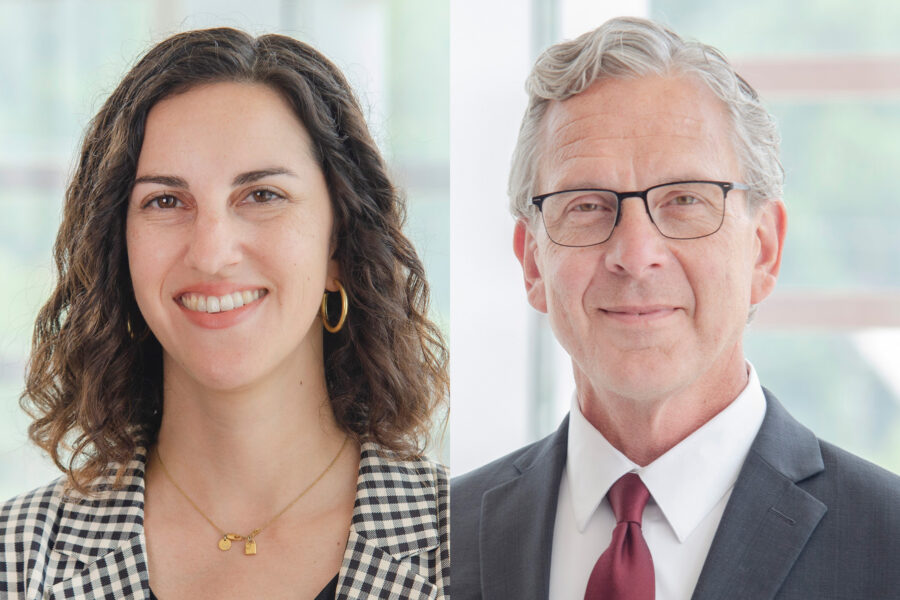
A new contingency management program facilitated by the UNMC Department of Psychiatry will help individuals with stimulant use disorders through the power of motivational incentives.
The program — including the required staff, supplies, and incentives — has been fully funded through a two-year grant from Clarkson Institute.
The contingency management program, long in the works and developed in collaboration with national experts, is the first of its kind in Nebraska, said Sara Zachman, MD, assistant professor in the UNMC Department of Psychiatry.
“We are thrilled and grateful to be able to offer this evidence-based treatment to our patients,” Dr. Zachman said.
The outpatient program will enroll individuals with moderate or severe methamphetamine or cocaine use disorders to come into the Nebraska Medicine Addiction Treatment Clinic twice a week for a drug screen. If negative for stimulants, they will receive an incentive — typically a debit or gift card.
Contingency management is an evidence-based intervention, said Kenneth Zoucha, MD, associate professor in the UNMC Department of Psychiatry. Unlike with opioids, there are no FDA-approved medications to treat individuals with stimulant use disorders, he said.
Clarkson Institute is funding the program with a two-year, $260,000 grant.
Bill Lydiatt, MD, CEO of Clarkson Institute, said the program fits with the organization’s mission of making Nebraska the healthiest state and emphasizing mental health as a key priority.
“Working with Drs. Zachman and Zoucha to bring state-of-the-art treatments for addiction is an exemplary investment in the health and well-being of our community and supports our mission. Their passion to heal and knowledge of the field give us great hope that this will improve care for those suffering from addiction,” Dr. Lydiatt said.
Drs. Zachman and Zoucha plan to welcome the program’s first patients by early next year. Eventually, they hope to see contingency management covered by insurance, including Medicaid.
In the meantime, they’re grateful to Clarkson Institute for helping make the program a reality. “At first glance, there can be stigma and uncertainties in how this program works,” Dr. Zachman said. “We really feel grateful for the fact that they were open to us and the evidence to make it possible.”