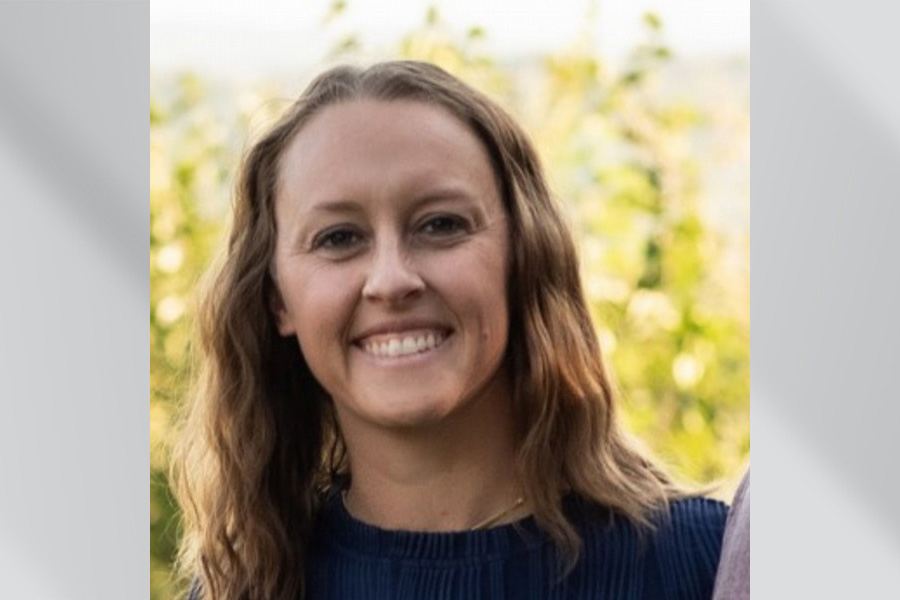
Get Moving is an occasional series from the UNMC Center Healthy Living to promote activity and healthy living. Kristal Cavanaugh is the exercise/fitness coordinator for the center.
Taking care of your health goes beyond the number you see on the scale. In recent years, research has made one thing increasingly clear: Building and maintaining muscle mass is one of the most powerful ways to protect your long-term health.
Muscle plays a much greater role in the body than simply helping us move. It acts like a metabolic engine, supporting everything from blood sugar control to heart health.
As we age, however, we naturally begin to lose muscle, a condition known as sarcopenia. This loss is not just about strength; it is strongly linked to higher risks of chronic disease, disability and even early death. Studies show that individuals with low muscle mass have significantly higher rates of all-cause mortality and functional decline.
The good news is muscle is highly adaptable, and it is never too late to build it.
Muscle and its benefits
One major benefit of maintaining muscle mass is its connection to cardiovascular health. Research shows that people with greater muscle mass experience lower rates of heart disease and improved survival, even when body fat levels vary.
Muscle tissue helps regulate blood sugar, reduce inflammation and improve metabolic efficiency. These effects work together to reduce strain on the heart and lower the risk of conditions like high blood pressure, diabetes and metabolic syndrome.
Muscle strength is not just about performance. It is also a powerful indicator of overall health. Studies show that individuals with higher strength levels tend to have lower risks of illness and longer lifespans.
Even simple measures like grip strength are linked to reduced risk of cardiovascular disease and other serious conditions, making it a useful snapshot of overall health.
The most effective way to build and maintain muscle is through regular physical activity, especially strength or resistance training. This can include bodyweight exercises, resistance bands, free weights or machines. Even small amounts of muscle-strengthening activity are linked to reduced disease risk and improved longevity.
Take the next step
If you are looking for a supportive, motivating way to get started, group fitness classes are a great option. They provide structure, guidance and a sense of community that can make staying active easier and more enjoyable.
If you are already a Center for Healthy Living member, group fitness classes are free. Not a member? This summer, try the center’s Summer Class Pass and attend 15 classes for $45. Stop by the front desk to get started.
You do not need to be a member to work with a trainer. Personal training is available to everyone on campus. Visit our website for details or email the Center for Healthy Living with questions.
Kristal Cavanaugh has more than 10 years of experience teaching group exercise classes and personal training, along with eight years as a certified nutrition coach. She is passionate about helping people reach their health and wellness goals, and she specializes in working with individuals who want to reduce pain. Read more about Cavanaugh on her Center for Healthy Living bio.